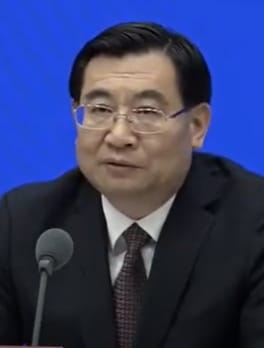
Photo: 中国新闻网 / CC BY 3.0 (source: Wikimedia Commons)
Born on October 1, 1962, Hu Heping is from Linyi, People's Republic of China. Hu Heping is credited as a politician. That works out to 63 years old in 2026. Education on record includes Tsinghua University.
My Take
What strikes me about Hu Heping is the unusual arc from academic to power broker: he ran Tsinghua University before governing Shaanxi and ultimately steering culture and propaganda at the national level. That is not a charismatic, podium-pounding path; it is the quiet competence of a technocrat who keeps getting handed bigger machines to run. I find the breadth genuinely impressive, pivoting from education to provincial administration to ideology without losing footing. Politics aside, the ability to absorb wholly different portfolios and deliver suggests a rare organizational mind. He is the kind of figure who shapes outcomes far more than headlines ever capture, and that quiet leverage interests me.
This take was written by generative AI, one per person, from publicly reported facts (editorial policy). It is a reading of the record, not reporting.
1. Profile
- Name (English)
- Hu Heping
- Name (Japanese)
- 胡和平
- Reading
- こ・わへい
- Born
- October 1, 1962 (age 63)
- Origin
- Linyi, People's Republic of China
- Occupation
- politician
- Zodiac / Chinese zodiac
- Libra / Tiger
2. Background
- University
- Tsinghua University
3. Links
- Wikipedia (English)https://en.wikipedia.org/wiki/Hu%20Heping
- Wikipedia (Japanese)https://ja.wikipedia.org/wiki/%E8%83%A1%E5%92%8C%E5%B9%B3
- Wikidatahttps://www.wikidata.org/wiki/Q8292447
4. About this entry
Tags
- Last updated
Facts are limited to publicly available information up to 2024; non-public or unconfirmed items are omitted. English text is machine-assisted (facts translated by Sonnet, "My Take" written by Opus 4.8). The Japanese page is the source of record.
Frequently asked questions
When was Hu Heping born?
Born October 1, 1962 (age 63).
Where is Hu Heping from?
Hu Heping is from Linyi, People's Republic of China.
What does Hu Heping do?
Hu Heping works as politician.
Politician — see all → · More people from the People's Republic of China →