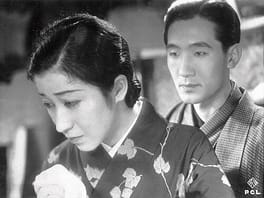
Photo: P.C.L. Eiga Seisaku-jo / Public domain (source: Wikimedia Commons)
My Take
Hyō Kitazawa is one of those figures who makes you stop and think about how much a single lifetime can hold. Born in Tokyo in 1911, he lived through the tail end of Meiji, all of Taisho and Showa, two world wars, the rise and fall of the silent film era, the golden age of Japanese cinema, and the arrival of television — and he did it all as a working actor. I never got to see his performances firsthand, obviously, but there's something quietly impressive about anyone who planted a flag in such an unstable industry during such a turbulent century and just kept going. He passed at 69, having witnessed basically everything. Leading the very first NHK morning drama and voicing the hero of the radio classic Kimi no Na wa, he earned his place in the record.
This take was written by generative AI, one per person, from publicly reported facts (editorial policy). It is a reading of the record, not reporting.
Overview
Hyō Kitazawa (born May 18, 1911, Tokyo; died August 4, 1980) was a Japanese actor from Koishikawa, Tokyo. He co-founded the Theatre Comedie troupe in 1931, joined the PCL studio (the forerunner of Toho) in 1937, and after the war played the lead in the first NHK morning drama serial, Musume to Watashi. He passed away at the age of 69.
1. Profile
- Name (English)
- Hyō Kitazawa
- Name (Japanese)
- 北沢彪
- Reading
- きたざわ ひょう
- Born
- May 18, 1911 – August 4, 1980
- Origin
- Tokyo, Japan
- Occupation
- Actor
- Zodiac / Chinese zodiac
- Taurus / Boar
2. Links
- Wikipedia (Japanese)https://ja.wikipedia.org/wiki/%E5%8C%97%E6%B2%A2%E5%BD%AA
- Wikidatahttps://www.wikidata.org/wiki/Q11402314
3. About this entry
Tags
- Last updated
Only publicly available facts are listed; non-public or unconfirmed items are omitted. Base data was compiled from Wikidata from June 2026 onward; ages are recalculated daily and deaths are checked against Wikidata on an ongoing basis. English text is machine-assisted (facts translated by Sonnet, "My Take" written by Opus 4.8). The Japanese page is the source of record.
Frequently asked questions
When was Hyō Kitazawa born?
Hyō Kitazawa was born on May 18, 1911.
When did Hyō Kitazawa die?
Hyō Kitazawa died on August 4, 1980, aged 69.
Where was Hyō Kitazawa from?
Hyō Kitazawa was from Tokyo, Japan.
What did Hyō Kitazawa do?
Hyō Kitazawa worked as Actor.
Actor — see all → · More people from Japan → · More people born on May 18 →