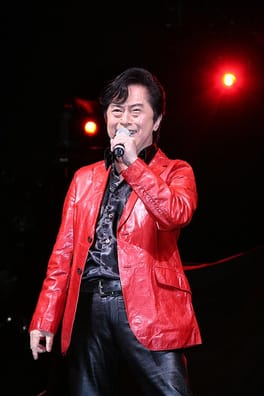
Photo: Georges Seguin (Okki) / CC BY-SA 3.0 (source: Wikimedia Commons)
Born on January 7, 1948 in Setagaya, Tokyo, Japan, Ichirō Mizuki was a lyricist, actor and singer-songwriter. Ichirō Mizuki died on December 6, 2022 at the age of 74. Education on record includes Setagaya Gakuen Junior & Senior High School. The listed height was 170 cm. Credited works include 水木一郎 アニソンデビュー50周年記念ベスト 絶唱 -Z Show- (2023), 燃えよドラゴンズ!希望の果てに (2022) and Changeの瞬間 〜がんサバイバーストーリー〜 (2022).
My Take
Born Toshio Hayakawa in Setagaya, Tokyo, in 1948, Ichiro Mizuki spent more than fifty years singing theme songs for anime and tokusatsu, recording over 1,200 of them before his death in December 2022. Read that number again. It is barely a human quantity of work. Outside Japan his name may not travel the way the shows did, but if you grew up on Mazinger Z you know the voice: the enormous, unembarrassed shout that opens a song and dares you not to sit up straight. What I admire most is that he never treated music for children as a lesser assignment. He delivered those songs at full power for decades, on television and on stage, still performing into his seventies. That refusal to condescend is why the fans who grew up on him kept calling him Aniki, big brother, long after they had grown up themselves.
This take was written by generative AI, one per person, from publicly reported facts (editorial policy). It is a reading of the record, not reporting.
1. Profile
- Name (English)
- Ichirō Mizuki
- Name (Japanese)
- 水木一郎
- Reading
- みずき いちろう
- Born
- January 7, 1948 – December 6, 2022
- Origin
- Setagaya, Tokyo, Japan
- Height
- 170 cm
- Occupation
- lyricist / actor / singer-songwriter / seiyū / singer
- Zodiac / Chinese zodiac
- Capricorn / Rat
- Agency
- イエローバード
- Active years
- 1968 - 2022
2. Background
- High school
- Setagaya Gakuen Junior & Senior High School
3. Works & records
Works summary
- Appearances
- 319 (1968–2023)
- By year
- 1968: 1, 1969: 2, 1970: 2, 1972: 2, 1974: 1, 1976: 1, 1978: 1, 1979: 3, 1984: 1, 1986: 1, 1987: 1, 1989: 1, 1990: 2, 1991: 4, 1992: 3, 1993: 1, 1994: 2, 1995: 1, 1997: 2, 1998: 1, 1999: 5, 2000: 1, 2001: 3, 2002: 2, 2004: 4, 2005: 5, 2006: 3, 2007: 6, 2008: 2, 2009: 5, 2010: 6, 2011: 7, 2012: 7, 2013: 1, 2014: 3, 2015: 1, 2016: 3, 2017: 1, 2018: 3, 2019: 3, 2021: 3, 2022: 2, 2023: 1
- Debut work
- 君にささげる僕の歌
Filmography / notable works
| Category | Title | Year |
|---|---|---|
| ベストアルバム | 水木一郎 アニソンデビュー50周年記念ベスト 絶唱 -Z Show- | 2023 |
| Single | 燃えよドラゴンズ!希望の果てに | 2022 |
| Radio | Changeの瞬間 〜がんサバイバーストーリー〜 | 2022 |
| Single | ロボミの歌〜GRANBLUE FANTASY〜 | 2021 |
| Game | ロボミ | 2021 |
| Game | 愛・鋼戦士 | 2021 |
| Single | 燃えよドラゴンズ!2019 令和の激励 | 2019 |
| 中日ドラゴンズ応援歌 | 燃えよドラゴンズ!2019 令和の激励 | 2019 |
| TV anime | 八十亀ちゃんかんさつにっき | 2019 |
| ベストアルバム | Just My Life | 2018 |
| TV anime | りゅうおうのおしごと! | 2018 |
| Game | ロボミZ | 2018 |
| Single | アニソンアカデミー校歌 | 2017 |
| Single | GO AHEAD〜すすめ!ウルトラマンゼロ〜 | 2016 |
| ベストアルバム | 水木一郎 グレイテスト★ウルトラマンソングス | 2016 |
| ベストアルバム | 水木一郎 レア・グルーヴ・トラックス | 2016 |
| Single | たたかえ!!シージェッター海斗 | 2015 |
| ベストアルバム | ベスト・オブ・ベスト 水木一郎 | 2015 |
| Single | ピザ パスタ ピザ のうた | 2014 |
| Single | 燃えよドラゴンズ! 2014 覇権奪還 | 2014 |
| 中日ドラゴンズ応援歌 | 燃えよドラゴンズ!2014 | 2014 |
| Game | SR水木一郎カード | 2013 |
| ベストアルバム | 水木一郎 キッズ ソング・ベスト2! | 2012 |
| ベストアルバム | 水木一郎 キッズ ソング・ベスト3! | 2012 |
| ベストアルバム | ALL OF MAZINGER SONGS | 2012 |
| TV drama | 特命戦隊ゴーバスターズ | 2012 |
| CM | 第2次スーパーロボット大戦Z 再世篇 | 2012 |
| CM | からだ想い茶 すぅーっと茶 | 2012 |
| CM | ゼント 市ノ坪店 | 2012 |
| Single | かってに改蔵 | 2011 |
| Single | ヒーローは Never ねば Give Up! | 2011 |
| Single | 燃えよドラゴンズ! 2011 連覇記念盤 | 2011 |
| ベストアルバム | THE HERO 〜Mr.アニソン〜 | 2011 |
| ベストアルバム | 水木一郎 キッズ ソング・ベスト! | 2011 |
| 中日ドラゴンズ応援歌 | 燃えよドラゴンズ!2011 | 2011 |
| CM | 第2次スーパーロボット大戦Z 破界篇 | 2011 |
| Single | 燃えよドラゴンズ! 2010 | 2010 |
| ベストアルバム | ゲーマーANIKI完全攻略 〜水木一郎ゲームソングコレクション〜 | 2010 |
| 中日ドラゴンズ応援歌 | 燃えよドラゴンズ!2010 | 2010 |
| TV drama | 仮面ライダーW 第23・24話 | 2010 |
| Film | ねこタクシー | 2010 |
| Music program | 歌の楽園 | 2010 |
| Single | バイオニック コマンドー | 2009 |
| Music program | アニソンのど自慢 | 2009 |
| Music program | 思い出のメロディー | 2009 |
| CM | みんなアニメが好きだった -フラワーアニキ編- | 2009 |
| CM | お店に、マツダッシュ! | 2009 |
| Single | なんのこれしき ふろしきマン | 2008 |
| Game | スーパーロボット大戦Z | 2008 |
| Music program | ミューズの晩餐 My Song, My Life | 2008 |
| ベストアルバム | 水木一郎・堀江美都子/Dear Friend 2007 〜ふたりのアニソン〜 | 2007 |
| TV anime | 祝! | 2007 |
| Original video | 超忍者隊イナズマ!! SPARK | 2007 |
| Narration | 青春ミッションJ×3 | 2007 |
| CM | スーパーロボット大戦Scramble Commander the 2nd | 2007 |
| Single | マジンガーZ | 2006 |
| Single | コレジャナイロボ | 2006 |
| Music program | カスペ! 永久保存版!みんなで歌おうアニメソングカウントダウン2006 | 2006 |
4. Links
- Official sitehttps://www.mizuki-spirits.com
- Instagramhttps://www.instagram.com/ichiromizuki/
- Xhttps://x.com/aniki_z
- Wikipedia (English)https://en.wikipedia.org/wiki/Ichirou%20Mizuki
- Wikipedia (Japanese)https://ja.wikipedia.org/wiki/%E6%B0%B4%E6%9C%A8%E4%B8%80%E9%83%8E
- Wikidatahttps://www.wikidata.org/wiki/Q34580
5. About this entry
Tags
- Last updated
Facts are limited to publicly available information up to 2024; non-public or unconfirmed items are omitted. Works and profile fields sourced from Wikipedia reflect content as of 2026-08-26. English text is machine-assisted (facts translated by Sonnet, "My Take" written by Opus 4.8). The Japanese page is the source of record.
Frequently asked questions
When was Ichirō Mizuki born?
Born January 7, 1948.
When did Ichirō Mizuki die?
Died December 6, 2022, aged 74.
Where was Ichirō Mizuki from?
Ichirō Mizuki was from Setagaya, Tokyo, Japan.
What did Ichirō Mizuki do?
Ichirō Mizuki worked as lyricist, actor, singer-songwriter, seiyū, singer.
How tall was Ichirō Mizuki?
Ichirō Mizuki was 170 cm.
What agency was Ichirō Mizuki with?
Ichirō Mizuki was with イエローバード.
When was Ichirō Mizuki active?
1968 - 2022.
What was Ichirō Mizuki known for?
Notable works include 水木一郎 アニソンデビュー50周年記念ベスト 絶唱 -Z Show-, 燃えよドラゴンズ!希望の果てに, Changeの瞬間 〜がんサバイバーストーリー〜.
Lyricist — see all → · Actor — see all → · More people from Japan →