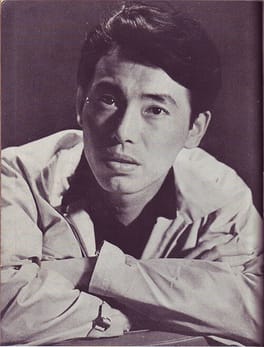
Photo: 映画世界社 (Eiga Sekai Publications, Inc.) / Public domain (source: Wikimedia Commons)
My Take
There's something about actors from this generation that makes me sit up a little straighter. Isao Kimura was born in Hiroshima back in 1923, came up through the war years, and built a career in Japanese cinema's golden age, which to me already says he had a quiet kind of grit. I love that he wasn't a flashy, posturing star; from what survives of his work he seems to have just lived inside his roles, grounded and unshowy, the sort of presence that makes a scene feel real instead of performed. Losing him at 58 feels far too early, but he left his mark as one of the people who helped carry postwar Japanese film. Honestly, I just come away wanting to nod and say, yeah, that was a fine actor.
This take was written by generative AI, one per person, from publicly reported facts (editorial policy). It is a reading of the record, not reporting.
Overview
Isao Kimura was a Japanese film actor born on June 22, 1923, in Naka Ward, Hiroshima Prefecture. He worked in the Japanese film industry during and after the wartime era, representing a generation of performers who built their careers through the turbulent mid-twentieth century. He passed away on July 4, 1981, at the age of 58.
1. Profile
- Name (English)
- Isao Kimura
- Name (Japanese)
- 木村功
- Reading
- きむら いさお
- Born
- June 22, 1923 – July 4, 1981
- Origin
- Naka Ward, Hiroshima Prefecture, Japan
- Height
- 175 cm
- Occupation
- Actor / Film Actor
- Zodiac / Chinese zodiac
- Cancer / Boar
- Active years
- 1946 - 1981
2. Works & records
Works summary
- Appearances
- 158 (1950–1981)
- By year (titles with a known year)
- 1950: 1, 1951: 8, 1952: 5, 1953: 3, 1954: 7, 1955: 5, 1956: 4, 1957: 6, 1958: 5, 1959: 6, 1960: 6, 1961: 7, 1962: 8, 1963: 6, 1964: 7, 1965: 4, 1966: 4, 1967: 6, 1968: 5, 1969: 4, 1970: 6, 1971: 4, 1972: 4, 1973: 3, 1974: 4, 1975: 5, 1976: 3, 1977: 2, 1978: 5, 1979: 3, 1980: 3, 1981: 1, year unknown: 8
Filmography / notable works
| Category | Title | Year |
|---|---|---|
| TV drama | 娘からの花束 | 1981 |
| TV drama | 額田女王 | 1980 |
| TV drama | 華麗なる訪問者 | 1980 |
| TV drama | 危険な愛情 | 1980 |
| TV drama | そっとさよなら | 1979 |
| TV drama | 必殺仕事人 | 1979 |
| TV drama | 鮎のうた | 1979 |
| Film | 渚の白い家 | 1978 |
| TV drama | おかしな夫婦 | 1978 |
| TV drama | 大岡越前 第5部 | 1978 |
| TV drama | 桃太郎侍 | 1978 |
| TV drama | 仮面舞踏会 | 1978 |
| TV drama | 冬の運動会 | 1977 |
| TV drama | あかね雲 | 1977 |
| Film | 遺書 白い少女 | 1976 |
| Film | おとうと | 1976 |
| TV drama | 浮雲 | 1976 |
| TV drama | Genroku Taiheiki | 1975 |
| TV drama | 大岡越前 第4部 | 1975 |
| TV drama | 鬼平犯科帳 | 1975 |
| TV drama | 北都物語 | 1975 |
| TV drama | Taiyō ni Hoero! | 1975 |
| Film | Lone Wolf and Cub: White Heaven in Hell | 1974 |
| Film | Pastoral: To Die in the Country | 1974 |
| TV drama | 江戸を斬る 梓右近隠密帳 | 1974 |
| TV drama | 座頭市物語 | 1974 |
| TV drama | 水戸黄門 第4部 | 1973 |
| TV drama | 剣客商売 | 1973 |
| TV drama | 追跡 | 1973 |
| TV drama | 地の果てまで | 1972 |
| TV drama | 新・平家物語 | 1972 |
| TV drama | 大岡越前 第3部 | 1972 |
| TV drama | 新諸国物語 笛吹童子 | 1972 |
| Film | 告白的女優論 | 1971 |
| TV drama | 天皇の世紀 | 1971 |
| TV drama | 雨乞い庄右衛門 | 1971 |
| TV drama | 水の炎 | 1971 |
| Film | 盛り場流し唄 新宿の女 | 1970 |
| Film | 商魂一代 天下の暴れん坊 | 1970 |
| TV drama | 流氷の原 | 1970 |
| TV drama | 女が階段を上る時 | 1970 |
| TV drama | 女のうず潮 | 1970 |
| TV drama | 智恵子抄 | 1970 |
| Film | Chōkōsō no Akebono | 1969 |
| Film | やくざ非情史 血の盃 | 1969 |
| TV drama | プロファイター | 1969 |
| TV drama | プレイガール | 1969 |
| Film | 樹氷のよろめき | 1968 |
| Film | 密告 | 1968 |
| Film | Black Lizard | 1968 |
| TV drama | 女房の眼鏡 | 1968 |
| TV drama | 写楽はどこへ行った | 1968 |
| Film | 情炎 | 1967 |
| Film | 錆びたペンダント | 1967 |
| Film | 旅路 | 1967 |
| Film | 炎と女 | 1967 |
| TV drama | アイウエオ | 1967 |
| TV drama | ザ・ガードマン | 1967 |
| Film | The Secret of the Urn | 1966 |
| Film | 熱い血の男 | 1966 |
3. Links
- Wikipedia (Japanese)https://ja.wikipedia.org/wiki/%E6%9C%A8%E6%9D%91%E5%8A%9F
- Wikidatahttps://www.wikidata.org/wiki/Q63525
4. About this entry
Tags
- Last updated
Only publicly available facts are listed; non-public or unconfirmed items are omitted. Base data was compiled from Wikidata from June 2026 onward; ages are recalculated daily and deaths are checked against Wikidata on an ongoing basis. Works and profile fields sourced from Wikipedia reflect content as of 2026-08-26. English text is machine-assisted (facts translated by Sonnet, "My Take" written by Opus 4.8). The Japanese page is the source of record.
Frequently asked questions
When was Isao Kimura born?
Isao Kimura was born on June 22, 1923.
When did Isao Kimura die?
Isao Kimura died on July 4, 1981, aged 58.
Where was Isao Kimura from?
Isao Kimura was from Naka Ward, Hiroshima Prefecture, Japan.
What did Isao Kimura do?
Isao Kimura worked as Actor, Film Actor.
How tall was Isao Kimura?
Isao Kimura was 175 cm tall.
When was Isao Kimura active?
Isao Kimura was active from 1946 to 1981.
Actor — see all → · Film Actor — see all → · More people from Japan → · More people born on June 22 →