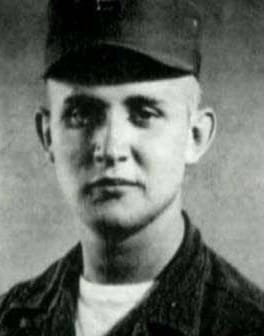
Photo: United States Army / Public domain (source: Wikimedia Commons)
James Joseph Dresnok was credited as a military personnel, film actor and educator. James Joseph Dresnok was born in Virginia, United States on November 24, 1941. Death is recorded on November 2016.
My Take
James Dresnok is genuinely one of the strangest true stories I've ever come across — a young American soldier from Norfolk, Virginia who in 1962 simply walked across the DMZ into North Korea and never came back. Not captured, not coerced — walked. He spent the rest of his life in Pyongyang, becoming an English teacher and, in one of history's more surreal career pivots, a go-to villain actor in North Korean propaganda films, playing the sneering American bad guy. He was even featured on 60 Minutes in 2007, apparently quite at peace with the life he'd chosen. I genuinely cannot decide if he was a man of extraordinary conviction or just someone running from something — probably both. He died there in November 2016, never returning home. Whatever you make of his choices, the sheer strangeness of the life he led is impossible to look away from.
This take was written by generative AI, one per person, from publicly reported facts (editorial policy). It is a reading of the record, not reporting.
1. Profile
- Name (English)
- James Joseph Dresnok
- Name (Japanese)
- ジェームズ・ドレスノク
- Reading
- じぇーむず・どれすのく
- Born
- November 24, 1941 – November 2016
- Origin
- Virginia, United States
- Occupation
- military personnel / film actor / educator / soldier
- Zodiac / Chinese zodiac
- Sagittarius / Snake
2. Links
3. About this entry
Tags
- Last updated
Only publicly available facts are listed; non-public or unconfirmed items are omitted. Base data was compiled from Wikidata from June 2026 onward; ages are recalculated daily and deaths are checked against Wikidata on an ongoing basis. English text is machine-assisted (facts translated by Sonnet, "My Take" written by Opus 4.8). The Japanese page is the source of record.
Frequently asked questions
When was James Joseph Dresnok born?
James Joseph Dresnok was born on November 24, 1941.
When did James Joseph Dresnok die?
James Joseph Dresnok died on November 2016.
Where was James Joseph Dresnok from?
James Joseph Dresnok was from Virginia, United States.
What did James Joseph Dresnok do?
James Joseph Dresnok worked as military personnel, film actor, educator, soldier.
Military personnel — see all → · Film actor — see all → · More people from the United States → · More people born on November 24 →