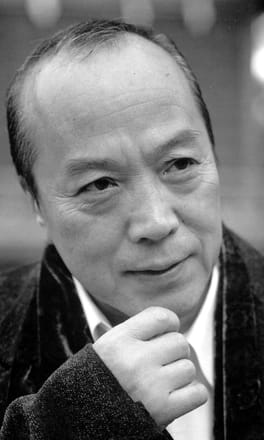
Photo: 大臣官房人事課 / CC BY 4.0 (source: Wikimedia Commons)
Public records list Jūrō Kara as a novelist, writer and screenwriter. Born on February 11, 1940, Jūrō Kara was from Shitaya-ku, Tokyo Prefecture, Japan. Death is recorded on May 4, 2024, at the age of 84. Schooling on record includes Komagome Junior & Senior High School and Meiji University. Listed accolades include Izumi Kyōka Prize for Literature (1978) and Akutagawa Prize (1982).
My Take
Jūrō Kara (1940–2024) did not fit inside a theatre, and that turned out to be the point. Born in Shitaya, Tokyo, and educated at Meiji University, he became the driving figure of Japan's Angura — underground — theatre movement, staging work in a red tent pitched outside the established venues rather than inside them. That choice was not a logistical quirk; it was the argument. If the institutions wouldn't host the work, the work would grow its own room and pull an audience to it. What still astonishes me is the spread of what he did well. Playwright, director, actor, songwriter, novelist — and not dabbling in any of them. He took the Izumi Kyōka Prize for Literature in 1978 and the Akutagawa Prize, Japan's most closely watched literary award, in 1982. Most artists spend a lifetime earning one of those categories. He was running several at once, at full intensity. Japanese theatre has a clear before and after around him, and very few people leave that kind of seam.
This take was written by generative AI, one per person, from publicly reported facts (editorial policy). It is a reading of the record, not reporting.
1. Profile
- Name (English)
- Jūrō Kara
- Name (Japanese)
- 唐十郎
- Reading
- から じゅうろう
- Born
- February 11, 1940 – May 4, 2024
- Origin
- Shitaya-ku, Tokyo Prefecture, Japan
- Height
- 163 cm
- Occupation
- novelist / writer / screenwriter / playwright / singer
- Zodiac / Chinese zodiac
- Aquarius / Dragon
- Active years
- 1963 - 2024
2. Background
- High school
- Komagome Junior & Senior High School
- University
- Meiji University
Awards & achievements
- 1978 Izumi Kyōka Prize for Literature
- 1982 Akutagawa Prize
3. Works & records
Works summary
- Appearances
- 114 (1956–2012)
- By year (titles with a known year)
- 1956: 1, 1964: 2, 1965: 4, 1966: 3, 1967: 2, 1968: 3, 1969: 5, 1970: 2, 1971: 3, 1972: 2, 1973: 4, 1974: 2, 1975: 3, 1976: 2, 1977: 2, 1978: 2, 1979: 3, 1980: 2, 1981: 3, 1982: 2, 1983: 2, 1984: 1, 1985: 2, 1986: 2, 1988: 1, 1989: 1, 1990: 2, 1991: 2, 1992: 1, 1993: 2, 1994: 3, 1995: 1, 1996: 3, 1997: 1, 1998: 2, 1999: 1, 2000: 3, 2001: 2, 2002: 3, 2003: 3, 2004: 3, 2005: 3, 2006: 1, 2007: 3, 2008: 2, 2009: 3, 2010: 4, 2011: 3, 2012: 1, year unknown: 1
- Debut work
- 夏の嵐
Filmography / notable works
| Category | Title | Role | Year |
|---|---|---|---|
| Play | 海星 | 2012 | |
| Play | ひやりん児 | 2011 | |
| Play | 西陽荘 | 2011 | |
| TV drama | 王様の家 | 2011 | |
| Play | 百人町 | 2010 | |
| Play | 姉とおとうと | 2010 | |
| TV drama | 世にも奇妙な物語 20周年スペシャル・春 〜人気番組競演編〜「ニュースおじさん、ふたたび」 | as ニュースおじさん | 2010 |
| TV drama | ハンチョウ〜神南署安積班〜 第3シリーズ | as 石倉晴夫 | 2010 |
| Play | 黒手帳に頬紅を | 2009 | |
| TV drama | 松本清張生誕100年記念作品・駅路 | as 便利屋主人 | 2009 |
| TV anime | Ojarumaru | as はさまりさん | 2009 |
| Play | 夕坂童子 | 2008 | |
| TV drama | 天河伝説殺人事件 | as 高崎義則 | 2008 |
| Play | 行商人ネモ | 2007 | |
| Film | シアトリカル 唐十郎と劇団唐組の記録 | 2007 | |
| TV drama | 京都地検の女・第4シリーズ | as 第7話福本 | 2007 |
| Play | 紙芝居の絵の街で | 2006 | |
| Play | 鉛の兵隊 | 2005 | |
| Play | カーテン | 2005 | |
| Film | ガラスの使徒 | 2005 | |
| Play | 津波 | 2004 | |
| Play | 眠りオルゴール | 2004 | |
| TV drama | 海峡を渡るバイオリン | 2004 | |
| Play | 泥人魚 | 2003 | |
| Play | 河童 | 2003 | |
| TV drama | ヤンキー母校に帰る | as 早乙女校長 | 2003 |
| Play | 糸女郎 | 2002 | |
| Play | 花屋敷 | 2002 | |
| TV drama | 北の国から2002 遺言 | 2002 | |
| Play | 闇の左手 | 2001 | |
| Play | 水中花 | 2001 | |
| Play | 夜壷 | 2000 | |
| Play | 鯨リチャード | 2000 | |
| Film | 源氏物語 あさきゆめみし~Lived In A Dream~ | 2000 | |
| Play | 眠り草 | 1999 | |
| Play | 汚れつちまつた悲しみに… | 1998 | |
| Film | Dr. Akagi | 1998 | |
| Play | 海の口笛 | 1997 | |
| Play | 模造石榴 | 1996 | |
| Play | 赤い靴 | 1996 | |
| Film | 海ほおずき | 1996 | |
| Play | 裏切りの街 | 1995 | |
| Play | 匂ひガラス | 1994 | |
| Play | 孤島 | 1994 | |
| Film | 800 TWO LAP RUNNERS | 1994 | |
| Play | 桃太郎の母 | 1993 | |
| Play | 動物園が消える日 | 1993 | |
| Play | ビンローの封印 | 1992 | |
| Play | 電子城II | 1991 | |
| TV drama | 世にも奇妙な物語 「ニュースおじさん」 | as ニュースおじさん | 1991 |
| Play | セルロイドの乳首 | 1990 | |
| Play | 透明人間 | 1990 | |
| Play | 電子城-背中だけの騎士- | 1989 | |
| Play | さすらいのジェニー | 1988 | |
| Play | ねじの回転 | 1986 | |
| Film | Jazz Daimyo | 1986 | |
| Play | ジャガーの眼 | 1985 | |
| Play | 少女都市からの呼び声 | 1985 | |
| Play | あるタップダンサーの物語 | 1984 | |
| Play | 住み込みの女 | 1983 |
4. Links
- Wikipedia (English)https://en.wikipedia.org/wiki/J%C5%ABr%C5%8D%20Kara
- Wikipedia (Japanese)https://ja.wikipedia.org/wiki/%E5%94%90%E5%8D%81%E9%83%8E
- Wikidatahttps://www.wikidata.org/wiki/Q1717995
5. About this entry
Tags
- Last updated
Facts are limited to publicly available information up to 2024; non-public or unconfirmed items are omitted. Works and profile fields sourced from Wikipedia reflect content as of 2026-08-26. English text is machine-assisted (facts translated by Sonnet, "My Take" written by Opus 4.8). The Japanese page is the source of record.
Frequently asked questions
When was Jūrō Kara born?
Jūrō Kara was born on February 11, 1940.
When did Jūrō Kara die?
Jūrō Kara died on May 4, 2024, aged 84.
Where was Jūrō Kara from?
Jūrō Kara was from Shitaya-ku, Tokyo Prefecture, Japan.
What did Jūrō Kara do?
Jūrō Kara worked as novelist, writer, screenwriter, playwright, singer.
How tall was Jūrō Kara?
Jūrō Kara was 163 cm tall.
Where did Jūrō Kara study?
Jūrō Kara attended Meiji University.
When was Jūrō Kara active?
Jūrō Kara was active from 1963 to 2024.
What was Jūrō Kara known for?
Jūrō Kara's notable works include 800 TWO LAP RUNNERS.
Novelist — see all → · Writer — see all → · More people from Japan → · More people born on February 11 →