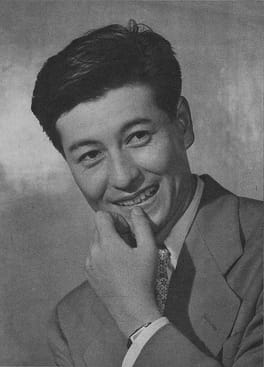
Photo: 朝日新聞社 (Asahi Shinbun) / Public domain (source: Wikimedia Commons)
My Take
Honestly, Ryō Ikebe is one of those faces I find myself missing even though I came to him late. Born in Tokyo back in 1918 and a Rikkyo University man, he carries that unmistakable air of an educated, well-bred gentleman, and it shows in every frame. He's a leading man from the golden age of Japanese cinema, that pre-and-postwar stretch when the studios were really cooking, and what gets me is how restrained he is. No scenery-chewing, no theatrics, just a soft-spoken handsomeness with a quiet steel underneath. He'd anchor a scene with a lowered glance and an even voice and somehow own it. There's an old-world sex appeal to actors like him that modern screens rarely have. He lived to 92, dignified to the end, and I just think he was a class act from a classier era.
This take was written by generative AI, one per person, from publicly reported facts (editorial policy). It is a reading of the record, not reporting.
Overview
Ryō Ikebe (February 11, 1918 – October 8, 2010) was a Japanese film actor born in Omori, Tokyo. A graduate of Rikkyo University, he became one of the most prominent leading men of Japanese cinema during the prewar and postwar golden era. Known for his refined, understated screen presence, he remained active through much of the Showa period and lived to the age of 92.
1. Profile
- Name (English)
- Ryō Ikebe
- Name (Japanese)
- 池部良
- Reading
- いけべ りょう
- Born
- February 11, 1918 – October 8, 2010
- Origin
- Omori, Tokyo, Japan
- Height
- 174 cm
- Occupation
- Actor
- Zodiac / Chinese zodiac
- Aquarius / Horse
- Blood type
- B
- Agency
- DONGYU CLUB (last agency)
- Active years
- 1941 - 2010
2. Background
- University
- Rikkyo University
3. Works & records
Works summary
- Appearances
- 170 (1950–2005)
- By year (titles with a known year)
- 1950: 4, 1951: 6, 1952: 3, 1953: 2, 1954: 4, 1955: 3, 1956: 4, 1957: 2, 1958: 4, 1959: 3, 1960: 3, 1961: 3, 1962: 4, 1963: 3, 1964: 3, 1965: 5, 1966: 3, 1967: 4, 1968: 3, 1969: 5, 1970: 2, 1971: 5, 1972: 4, 1973: 2, 1974: 4, 1975: 3, 1976: 4, 1977: 2, 1978: 5, 1979: 3, 1980: 3, 1981: 4, 1982: 2, 1983: 5, 1984: 4, 1985: 3, 1986: 4, 1987: 3, 1988: 2, 1989: 5, 1990: 2, 1991: 2, 1992: 2, 2001: 1, 2002: 2, 2005: 2, year unknown: 19
Filmography / notable works
| Category | Title | Role | Year |
|---|---|---|---|
| Variety show | Asa made nama terebi! | 2005 | |
| Documentary | Memories of 1945 | 2005 | |
| TV drama | 夏の日の恋〜Summer Time〜 | 2002 | |
| Variety show | Tetsuko's Room | 2002 | |
| TV drama | 戦争を知らない君たちへ / 碧空のタンゴ 東京下町、ある職人一家の終戦 | 2001 | |
| TV drama | 待って… | 1992 | |
| TV drama | 愛が降る日 | 1992 | |
| TV drama | 私の兄さん | 1991 | |
| Variety show | 植木等デラックス | 1991 | |
| TV drama | 結婚のあとさき | 1990 | |
| TV drama | 春を待つ家 | 1990 | |
| TV drama | 胡桃の部屋 | 1989 | |
| TV drama | 女のときめき | 1989 | |
| TV drama | 薔薇色の罠 | 1989 | |
| TV drama | 代議士の妻たち2 | 1989 | |
| TV drama | アイラブユーからはじめよう | 1989 | |
| Film | See You | 1988 | |
| Film | 青い山脈'88 | 1988 | |
| TV drama | 旅立ち | 1987 | |
| TV drama | 独眼竜政宗 | 1987 | |
| TV drama | 松本清張の絢爛たる流離・第2話 銀座の女の完全犯罪 | 1987 | |
| Film | Lost in the Wilderness | 1986 | |
| TV drama | みれん | 1986 | |
| TV drama | みんなで一人旅 | 1986 | |
| TV drama | 花嫁人形は眠らない | 1986 | |
| Film | Mishima: A Life In Four Chapters | 1985 | |
| Film | ひとひらの雪 | 1985 | |
| TV drama | 変身 | 1985 | |
| TV drama | 盲点 | 1984 | |
| TV drama | 京都マル秘指令 ザ新選組 | 1984 | |
| TV drama | Sanga Moyu | 1984 | |
| TV drama | 私鉄沿線97分署 | 1984 | |
| Film | 小説吉田学校 | as 緒方竹虎 | 1983 |
| Film | Izakaya Chōji | 1983 | |
| TV drama | 母の花嫁衣裳 | 1983 | |
| TV drama | 日立テレビシティ / ミステリー Wの悲劇 | 1983 | |
| TV drama | ザ・サスペンス / 松本清張のゼロの焦点 | 1983 | |
| TV drama | 水の魔法陣 | 1982 | |
| TV drama | 田中丸家御一同様 | 1982 | |
| Film | Station | 1981 | |
| TV drama | 母たることは地獄のごとく 炎の女・澤田美喜 | 1981 | |
| TV drama | 球形の荒野 | 1981 | |
| TV drama | 骨肉の森 | 1981 | |
| Film | 海潮音 | 1980 | |
| TV drama | 時雨の記 | 1980 | |
| TV drama | さよなら・お竜さん | 1980 | |
| TV drama | 遠い絵本 | 1979 | |
| TV drama | 家路〜ママ・ドント・クライ | 1979 | |
| TV drama | 家路PART2 | 1979 | |
| Film | 多羅尾伴内 | 1978 | |
| Film | Winter's Flower | 1978 | |
| TV drama | 大空港 | 1978 | |
| TV drama | オレの愛妻物語 | 1978 | |
| TV drama | 横溝正史シリーズII / 仮面劇場 | 1978 | |
| Film | The War in Space | 1977 | |
| TV drama | ムー 第10話 | 1977 | |
| Film | Kimi yo fundo no kawa o watare | 1976 | |
| TV drama | 娘の結婚 | 1976 | |
| TV drama | 赤い運命 | 1976 | |
| TV drama | 男たちの旅路 | 1976 |
4. Links
- Wikipedia (Japanese)https://ja.wikipedia.org/wiki/%E6%B1%A0%E9%83%A8%E8%89%AF
- Wikidatahttps://www.wikidata.org/wiki/Q3119101
5. About this entry
Tags
- Last updated
Only publicly available facts are listed; non-public or unconfirmed items are omitted. Base data was compiled from Wikidata from June 2026 onward; ages are recalculated daily and deaths are checked against Wikidata on an ongoing basis. Works and profile fields sourced from Wikipedia reflect content as of 2026-08-26. English text is machine-assisted (facts translated by Sonnet, "My Take" written by Opus 4.8). The Japanese page is the source of record.
Frequently asked questions
When was Ryō Ikebe born?
Ryō Ikebe was born on February 11, 1918.
When did Ryō Ikebe die?
Ryō Ikebe died on October 8, 2010, aged 92.
Where was Ryō Ikebe from?
Ryō Ikebe was from Omori, Tokyo, Japan.
What did Ryō Ikebe do?
Ryō Ikebe worked as Actor.
How tall was Ryō Ikebe?
Ryō Ikebe was 174 cm tall.
What was Ryō Ikebe's blood type?
Ryō Ikebe's blood type was B.
Where did Ryō Ikebe study?
Ryō Ikebe attended Rikkyo University.
What agency was Ryō Ikebe with?
Ryō Ikebe was with DONGYU CLUB (last agency).
When was Ryō Ikebe active?
Ryō Ikebe was active from 1941 to 2010.
What was Ryō Ikebe known for?
Ryō Ikebe's notable works include Mishima: A Life In Four Chapters.
Actor — see all → · More people from Japan → · More people born on February 11 →