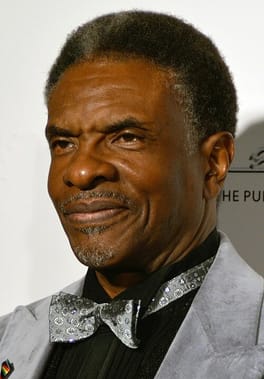
Photo: Mingle Media TV / CC BY-SA 2.0 (source: Wikimedia Commons)
Keith David was born on June 4, 1956 in New York City, New York, United States. Keith David is a television actor, film actor and stage actor. That works out to 70 years old in 2026. Schooling on record includes Fiorello H. LaGuardia High School. Awards on record include Primetime Emmy Award for Outstanding Narrator (2016).
My Take
Keith David is my favorite kind of actor: the one who never needed top billing to become indispensable. That seismic bass voice is instantly recognizable, but what I admire is the discipline behind it — LaGuardia training, serious stage work, and the same total commitment whether he is facing down an alien in The Thing or voicing Goliath in Gargoyles. Across four hundred-plus roles he has functioned as a quality guarantee; when his name appears, I trust the production a little more. The Emmy for narration felt overdue. In an industry obsessed with stars, David proves that craft, consistency, and a voice like rolling thunder build a legacy just as durable.
This take was written by generative AI, one per person, from publicly reported facts (editorial policy). It is a reading of the record, not reporting.
1. Profile
- Name (English)
- Keith David
- Name (Japanese)
- キース・デイヴィッド
- Reading
- きーす・でいゔぃっど
- Born
- June 4, 1956 (age 70)
- Origin
- New York City, New York, United States
- Occupation
- television actor / film actor / stage actor / voice actor / singer
- Zodiac / Chinese zodiac
- Gemini / Monkey
2. Background
- High school
- Fiorello H. LaGuardia High School
Awards & achievements
- 2016 Primetime Emmy Award for Outstanding Narrator
3. Works & records
Filmography / notable works
| Category | Title |
|---|---|
| Notable work | The Thing |
| Notable work | Gargoyles |
4. Links
- Instagramhttps://www.instagram.com/silverthroat/
- Xhttps://x.com/ImKeithDavid
- Wikipedia (English)https://en.wikipedia.org/wiki/Keith%20David
- Wikipedia (Japanese)https://ja.wikipedia.org/wiki/%E3%82%AD%E3%83%BC%E3%82%B9%E3%83%BB%E3%83%87%E3%82%A4%E3%83%B4%E3%82%A3%E3%83%83%E3%83%89
- Wikidatahttps://www.wikidata.org/wiki/Q370918
5. About this entry
Tags
- Last updated
Facts are limited to publicly available information up to 2024; non-public or unconfirmed items are omitted. English text is machine-assisted (facts translated by Sonnet, "My Take" written by Opus 4.8). The Japanese page is the source of record.
Frequently asked questions
When was Keith David born?
Born June 4, 1956 (age 70).
Where is Keith David from?
Keith David is from New York City, New York, United States.
What does Keith David do?
Keith David works as television actor, film actor, stage actor, voice actor, singer.
What is Keith David known for?
Notable works include The Thing, Gargoyles.
Television actor — see all → · Film actor — see all → · More people from the United States →