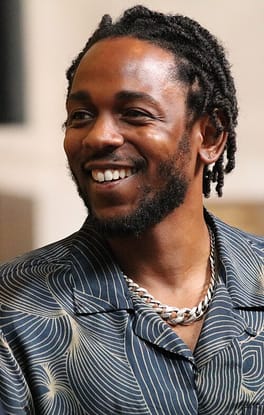
Photo: Fuzheado / CC BY-SA 4.0 (source: Wikimedia Commons)
Kendrick Lamar was born on June 17, 1987 in Compton, California, United States. Kendrick Lamar is credited as a rapper, songwriter and record producer. The age as of 2026 is 39. Schooling on record includes Centennial High School. Awards on record include Grammy Award for Best Rap Song (2015), BET Award for Best New Artist (2013), BET Award for Best Collaboration (2013) and 2 more.
My Take
Kendrick Lamar is genuinely one of those artists who makes you sit down and pay attention whether you planned to or not. Growing up in Compton — not exactly a city that hands you easy opportunities — he channeled everything he saw and lived into lyrics so dense and deliberate they read like literature, which is probably why he actually won the Pulitzer Prize for Music in 2018, the first non-classical, non-jazz artist ever to do so. That alone should stop any conversation about whether hip-hop is a serious art form. Albums like good kid, m.A.A.d city and To Pimp a Butterfly aren't just records; they're fully constructed arguments about race, identity, and survival in America. He collects Grammys like they're nothing, yet he never sounds like someone chasing radio play. The man just writes what he needs to write, and the world keeps catching up to him.
This take was written by generative AI, one per person, from publicly reported facts (editorial policy). It is a reading of the record, not reporting.
1. Profile
- Name (English)
- Kendrick Lamar
- Name (Japanese)
- ケンドリック・ラマー
- Reading
- けんどりっく・らまー
- Born
- June 17, 1987 (age 39)
- Origin
- Compton, California, United States
- Occupation
- rapper / songwriter / record producer / pop singer
- Zodiac / Chinese zodiac
- Gemini / Rabbit
2. Background
- High school
- Centennial High School
Awards & achievements
- 2015 Grammy Award for Best Rap Song
- 2013 BET Award for Best New Artist
- 2013 BET Award for Best Collaboration
- 2016 Grammy Award for Best Melodic Rap Performance
- 2018 Pulitzer Prize for Music
3. Links
- Official sitehttps://oklama.com
- Instagramhttps://www.instagram.com/kendricklamar/
- Xhttps://x.com/kendricklamar
- Wikipedia (English)https://en.wikipedia.org/wiki/Kendrick%20Lamar
- Wikipedia (Japanese)https://ja.wikipedia.org/wiki/%E3%82%B1%E3%83%B3%E3%83%89%E3%83%AA%E3%83%83%E3%82%AF%E3%83%BB%E3%83%A9%E3%83%9E%E3%83%BC
- Wikidatahttps://www.wikidata.org/wiki/Q130798
4. About this entry
Tags
- Last updated
Facts are limited to publicly available information up to 2024; non-public or unconfirmed items are omitted. English text is machine-assisted (facts translated by Sonnet, "My Take" written by Opus 4.8). The Japanese page is the source of record.
Frequently asked questions
When was Kendrick Lamar born?
Born June 17, 1987 (age 39).
Where is Kendrick Lamar from?
Kendrick Lamar is from Compton, California, United States.
What does Kendrick Lamar do?
Kendrick Lamar works as rapper, songwriter, record producer, pop singer.
Rapper — see all → · Songwriter — see all → · More people from the United States →