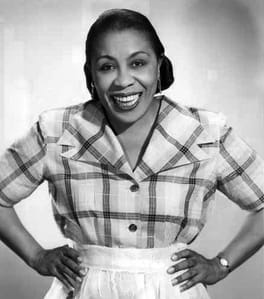
Photo: CBS Radio / Public domain (source: Wikimedia Commons)
Lillian Randolph was credited as a singer, television actor and voice actor. Lillian Randolph was born on December 14, 1898 in Knoxville, Tennessee, United States. Death is recorded on September 12, 1980, at the age of 81.
My Take
Lillian Randolph is the sort of name I think deserves far more remembrance than she gets. Working from the 1930s almost until her death in 1980, across radio, film, and television in hundreds of roles, she built a career through sheer endurance in an era that gave Black actresses very little room. I admire performers who anchor stories from the supporting margins, and her longevity speaks to a craft that never depended on top billing. She helped lay groundwork that later generations now stand on. To me she is a quiet pillar of American entertainment history worth honoring.
This take was written by generative AI, one per person, from publicly reported facts (editorial policy). It is a reading of the record, not reporting.
1. Profile
- Name (English)
- Lillian Randolph
- Name (Japanese)
- リリアン・ランドルフ
- Reading
- りりあん・らんどるふ
- Born
- December 14, 1898 – September 12, 1980
- Origin
- Knoxville, Tennessee, United States
- Occupation
- actor / singer / television actor / voice actor / film actor
- Zodiac / Chinese zodiac
- Sagittarius / Dog
2. Links
- Wikipedia (English)https://en.wikipedia.org/wiki/Lillian%20Randolph
- Wikidatahttps://www.wikidata.org/wiki/Q2340500
3. About this entry
Tags
- Last updated
Facts are limited to publicly available information up to 2024; non-public or unconfirmed items are omitted. English text is machine-assisted (facts translated by Sonnet, "My Take" written by Opus 4.8). The Japanese page is the source of record.
Frequently asked questions
When was Lillian Randolph born?
Lillian Randolph was born on December 14, 1898.
When did Lillian Randolph die?
Lillian Randolph died on September 12, 1980, aged 81.
Where was Lillian Randolph from?
Lillian Randolph was from Knoxville, Tennessee, United States.
What did Lillian Randolph do?
Lillian Randolph worked as actor, singer, television actor, voice actor, film actor.
Actor — see all → · Singer — see all → · More people from the United States → · More people born on December 14 →