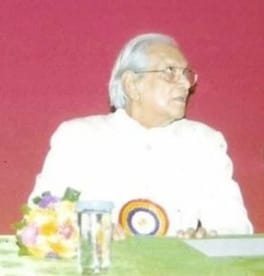
Photo: Sheristan / CC BY 3.0 (source: Wikimedia Commons)
Majrooh Sultanpuri, born on October 1, 1919 in Sultanpur, Sultanpur district, India, was a poet, lyricist and songwriter. Majrooh Sultanpuri died on May 24, 2000 at the age of 80. Recorded honors include Filmfare Awards and Dadasaheb Phalke Award.
My Take
What fascinates me about Majrooh Sultanpuri is how seamlessly a serious Urdu poet became the emotional engine of popular cinema. Born in 1919, a figure in the Progressive Writers' Movement and a dominant lyrical force across Hindi films of the 1950s and early 1960s, he earned both Filmfare and the Dadasaheb Phalke Award. I admire writers who refuse to treat film work as lesser art; he proved poetry could live in a hummed melody for generations. His words outlasted the films themselves, which is the rarest kind of legacy a lyricist can hope for.
This take was written by generative AI, one per person, from publicly reported facts (editorial policy). It is a reading of the record, not reporting.
1. Profile
- Name (English)
- Majrooh Sultanpuri
- Name (Japanese)
- マジュルーフ・スルターンプリー
- Reading
- まじゅるーふ・するたーんぷりー
- Born
- October 1, 1919 – May 24, 2000
- Origin
- Sultanpur, Sultanpur district, India
- Occupation
- poet / lyricist / songwriter / writer
- Zodiac / Chinese zodiac
- Libra / Goat
2. Background
Awards & achievements
- Filmfare Awards
- Dadasaheb Phalke Award
3. Links
- Wikipedia (English)https://en.wikipedia.org/wiki/Majrooh%20Sultanpuri
- Wikidatahttps://www.wikidata.org/wiki/Q1715105
4. About this entry
Tags
- Last updated
Facts are limited to publicly available information up to 2024; non-public or unconfirmed items are omitted. English text is machine-assisted (facts translated by Sonnet, "My Take" written by Opus 4.8). The Japanese page is the source of record.
Frequently asked questions
When was Majrooh Sultanpuri born?
Majrooh Sultanpuri was born on October 1, 1919.
When did Majrooh Sultanpuri die?
Majrooh Sultanpuri died on May 24, 2000, aged 80.
Where was Majrooh Sultanpuri from?
Majrooh Sultanpuri was from Sultanpur, Sultanpur district, India.
What did Majrooh Sultanpuri do?
Majrooh Sultanpuri worked as poet, lyricist, songwriter, writer.
Poet — see all → · Lyricist — see all → · More people from India → · More people born on October 1 →