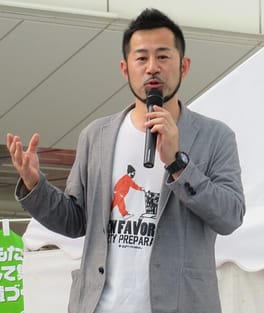
Photo: Evelyn-rose / CC0 (source: Wikimedia Commons)
My Take
Michiyoshi Hatakeyama is the kind of journalist who makes you reconsider what serious reporting actually looks like. Born in 1973, he went from a high school in Aichi to Waseda University and then basically devoted his career to one obsession: election coverage in Japan. And I mean obsession in the best possible sense — he doesn't just show up for the big-name candidates; he tracks down the fringe candidates, the longshots, the people most reporters walk right past, and he treats every single one of them like they deserve a real conversation. That commitment to fairness, to covering democracy from the ground up rather than just the top down, is rare. He's not flashy, he doesn't dominate headlines himself, but the density of what he does — the miles logged, the doors knocked on, the stories nobody else bothered to file — quietly adds up to something that feels genuinely important.
This take was written by generative AI, one per person, from publicly reported facts (editorial policy). It is a reading of the record, not reporting.
Overview
Michiyoshi Hatakeyama is a Japanese nonfiction writer born in 1973. He is known for his intensive on-the-ground coverage of Japanese elections, reporting on candidates across the political spectrum including independent and fringe contenders. He attended Aichi Prefectural Yokosuka High School before going on to study at Waseda University.
1. Profile
- Name (English)
- Michiyoshi Hatakeyama
- Name (Japanese)
- 畠山理仁
- Reading
- はたけやま みちよし
- Born
- 1973
- Origin
- Japan
- Occupation
- Nonfiction writer
- Zodiac / Chinese zodiac
- Ox
2. Background
- High school
- Aichi Prefectural Yokosuka High School
- University
- Waseda University
3. Links
4. About this entry
Tags
- Last updated
Facts are limited to publicly available information up to 2024; non-public or unconfirmed items are omitted. English text is machine-assisted (facts translated by Sonnet, "My Take" written by Opus 4.8). The Japanese page is the source of record.
Frequently asked questions
Where is Michiyoshi Hatakeyama from?
Michiyoshi Hatakeyama is from Japan.
What does Michiyoshi Hatakeyama do?
Michiyoshi Hatakeyama works as Nonfiction writer.