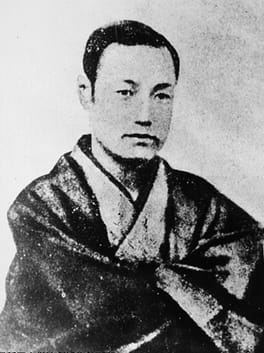
Photo: 早稲田大学演劇博物館所蔵 / Collection of Waseda University Museum of Performing Arts / Public domain (source: Wikimedia Commons)
My Take
Morita Kanya XII is one of those figures who becomes more impressive the more you think about the era he was living through. Born in 1846, he spent his entire career straddling the most violent rupture in Japanese history — the collapse of the shogunate, the Meiji Restoration, the wholesale Westernization of everything — and somehow kept kabuki alive and evolving through all of it, not just as a performer but as a director too. That dual role is genuinely rare and tells you something about how seriously he took the art form. He died at 51, which feels early, but honestly the fact that so little biographical detail survives just adds to the mystique — this was a man working in an era when written records were the least of anyone's concerns. The stage was his documentation.
This take was written by generative AI, one per person, from publicly reported facts (editorial policy). It is a reading of the record, not reporting.
Overview
Morita Kanya XII (1846–1897) was a Japanese kabuki actor and theatrical director who lived through the late Edo and Meiji periods, a time of sweeping social transformation in Japan. He held the prestigious hereditary stage name of the Morita line, one of kabuki's historic actor dynasties. He died at the age of 51, having combined the dual roles of performer and director during his career. His birthplace remains unknown, and detailed biographical records from this era are scarce.
1. Profile
- Name (English)
- Morita Kanya XII
- Name (Japanese)
- 十二代目 守田勘彌
- Reading
- じゅうにだいめ もりた かんや
- Born
- November 9, 1846 – August 21, 1897
- Origin
- Japan
- Occupation
- Kabuki Actor / Theatrical Director
- Zodiac / Chinese zodiac
- Scorpio / Horse
2. Links
3. About this entry
Tags
- Last updated
Facts are limited to publicly available information up to 2024; non-public or unconfirmed items are omitted. English text is machine-assisted (facts translated by Sonnet, "My Take" written by Opus 4.8). The Japanese page is the source of record.
Frequently asked questions
When was Morita Kanya XII born?
Born November 9, 1846.
When did Morita Kanya XII die?
Died August 21, 1897, aged 50.
Where was Morita Kanya XII from?
Morita Kanya XII was from Japan.
What did Morita Kanya XII do?
Morita Kanya XII worked as Kabuki Actor, Theatrical Director.