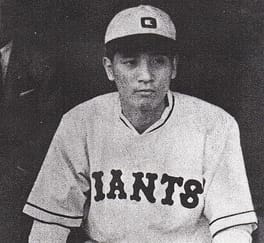
Photo: ja:ベースボール・マガジン社 / Public domain (source: Wikimedia Commons)
My Take
Honestly, Osamu Mihara is the kind of figure I find quietly magnetic—a man born in 1911, who came up through Waseda and then spent his life inside Japanese baseball, first as a player and later as one of its most cunning, beloved managers. There's a reason people whispered about his "magic": the guy clearly thought about the game on a level beyond the box score, reading momentum and men like a chess player who happened to love the diamond. What gets me, though, is that he also worked as a newspaper reporter, and that his 1960 miracle with the Taiyo Whales, last place to Japan Series champions, earned him the Kikuchi Kan Prize in 1961, the first ever for someone from sports. Picture this compact, unflappable old-school boss who left something real behind. That's a life I genuinely admire.
This take was written by generative AI, one per person, from publicly reported facts (editorial policy). It is a reading of the record, not reporting.
Overview
Osamu Mihara (November 21, 1911 – February 6, 1984) was a Japanese baseball player and journalist. He studied at Waseda University before building a career spanning both professional baseball and journalism. In 1961 he became the first figure from the sports world to receive the Kikuchi Kan Prize, honoring his feat of taking the Taiyo Whales from last place to the 1960 Japan Series title; as a manager he holds the NPB record for most games managed.
1. Profile
- Name (English)
- Osamu Mihara
- Name (Japanese)
- 三原脩
- Reading
- みはら おさむ
- Born
- November 21, 1911 – February 6, 1984
- Origin
- Japan
- Height
- 168 cm
- Occupation
- Baseball player / Journalist
- Zodiac / Chinese zodiac
- Scorpio / Boar
2. Background
- University
- Waseda University
Awards & achievements
- 1961 — Kikuchi Kan Prize
3. Links
- Wikipedia (Japanese)https://ja.wikipedia.org/wiki/%E4%B8%89%E5%8E%9F%E8%84%A9
- Wikidatahttps://www.wikidata.org/wiki/Q9673534
4. About this entry
Tags
- Last updated
Only publicly available facts are listed; non-public or unconfirmed items are omitted. Base data was compiled from Wikidata from June 2026 onward; ages are recalculated daily and deaths are checked against Wikidata on an ongoing basis. English text is machine-assisted (facts translated by Sonnet, "My Take" written by Opus 4.8). The Japanese page is the source of record.
Frequently asked questions
When was Osamu Mihara born?
Osamu Mihara was born on November 21, 1911.
When did Osamu Mihara die?
Osamu Mihara died on February 6, 1984, aged 72.
Where was Osamu Mihara from?
Osamu Mihara was from Japan.
What did Osamu Mihara do?
Osamu Mihara worked as Baseball player, Journalist.
How tall was Osamu Mihara?
Osamu Mihara was 168 cm tall.
Where did Osamu Mihara study?
Osamu Mihara attended Waseda University.
Baseball player — see all → · Journalist — see all → · More people from Japan → · More people born on November 21 →