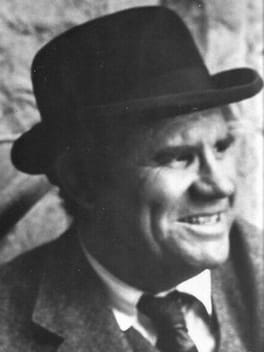
Photo: unknown (NBC TV) / Public domain (source: Wikimedia Commons)
My Take
Armstrong had one of those faces that instantly told you not to cross him, which is why directors kept casting him as fire-and-brimstone preachers, lawmen, and heavies. His work with Peckinpah is where he really shines for me; he fit the grit and moral weight of those Westerns like a glove. He started out wanting to be a playwright and even studied with the likes of Andy Griffith's generation at Chapel Hill, but the screen claimed him as a reliable tough guy. A true journeyman who elevated every scene with a glare. They do not make character men like this anymore.
This take was written by generative AI, one per person, from publicly reported facts (editorial policy). It is a reading of the record, not reporting.
Overview
R. G. Armstrong (1917-2012) was an American character actor born in Birmingham, Alabama. With a burly frame and a stern presence, he became a fixture of Westerns and frequently collaborated with director Sam Peckinpah on films such as Ride the High Country, Major Dundee, and Pat Garrett and Billy the Kid. Over a career spanning decades he also worked extensively in television and in genre films like Predator and Children of the Corn.
1. Profile
- Name (English)
- R. G. Armstrong
- Name (Japanese)
- R・G・アームストロング
- Reading
- R・G・あーむすとろんぐ
- Born
- April 7, 1917 – July 27, 2012
- Origin
- Birmingham, Alabama, United States
- Occupation
- Stage actor / Film actor / Television actor / Actor
- Zodiac / Chinese zodiac
- Aries / Snake
2. Background
- University
- University of North Carolina at Chapel Hill
3. Links
4. About this entry
Tags
- Last updated
Facts are limited to publicly available information up to 2024; non-public or unconfirmed items are omitted. English text is machine-assisted (facts translated by Sonnet, "My Take" written by Opus 4.8). The Japanese page is the source of record.
Frequently asked questions
When was R. G. Armstrong born?
Born April 7, 1917.
When did R. G. Armstrong die?
Died July 27, 2012, aged 95.
Where was R. G. Armstrong from?
R. G. Armstrong was from Birmingham, Alabama, United States.
What did R. G. Armstrong do?
R. G. Armstrong worked as Stage actor, Film actor, Television actor, Actor.
Stage actor — see all → · Film actor — see all → · More people from the United States →