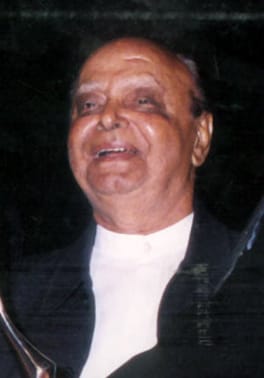
Photo: Thakur Doultani / CC BY-SA 4.0 (source: Wikimedia Commons)
Public records list Ramanand Sagar as a film director, screenwriter and film producer. Born on December 29, 1917, Ramanand Sagar was from Lahore, Lahore District, Pakistan. Death is recorded on December 12, 2005, at the age of 87. Schooling on record includes Sri Pratap College. Awards on record include Filmfare Award for Best Director (1969) and Padma Shri in arts.
My Take
Ramanand Sagar is, to me, one of the true giants of Indian television. Born in Lahore and shaped by a turbulent history, he won the 1969 Filmfare Award for Best Director, but his lasting legacy is bringing Ramayan and Shri Krishna to the small screen and shattering viewership records around the world. That's more than entertainment; he put faith and shared cultural memory directly into living rooms. He passed away in 2005, yet his epics still anchor a generation's sense of myth. I have deep respect for the patience and vision it took to deliver work on that scale.
This take was written by generative AI, one per person, from publicly reported facts (editorial policy). It is a reading of the record, not reporting.
1. Profile
- Name (English)
- Ramanand Sagar
- Name (Japanese)
- ラーマナンド・サガール
- Reading
- らーまなんど・さがーる
- Born
- December 29, 1917 – December 12, 2005
- Origin
- Lahore, Lahore District, Pakistan
- Occupation
- film director / screenwriter / film producer / writer
- Zodiac / Chinese zodiac
- Capricorn / Snake
2. Background
- University
- Sri Pratap College
Awards & achievements
- 1969 Filmfare Award for Best Director
- Padma Shri in arts
3. Links
- Wikipedia (English)https://en.wikipedia.org/wiki/Ramanand%20Sagar
- Wikidatahttps://www.wikidata.org/wiki/Q1390803
4. About this entry
Tags
- Last updated
Facts are limited to publicly available information up to 2024; non-public or unconfirmed items are omitted. English text is machine-assisted (facts translated by Sonnet, "My Take" written by Opus 4.8). The Japanese page is the source of record.
Frequently asked questions
When was Ramanand Sagar born?
Ramanand Sagar was born on December 29, 1917.
When did Ramanand Sagar die?
Ramanand Sagar died on December 12, 2005, aged 87.
Where was Ramanand Sagar from?
Ramanand Sagar was from Lahore, Lahore District, Pakistan.
What did Ramanand Sagar do?
Ramanand Sagar worked as film director, screenwriter, film producer, writer.
Where did Ramanand Sagar study?
Ramanand Sagar attended Sri Pratap College.
Film director — see all → · Screenwriter — see all → · More people from Pakistan → · More people born on December 29 →