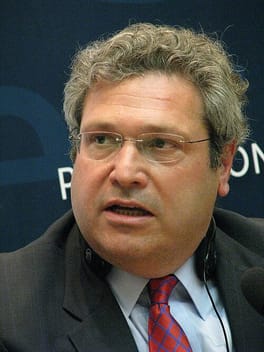
Photo: Mariusz Kubik / CC BY 3.0 (source: Wikimedia Commons)
Robert Kagan is a political scientist, writer and historian, born on September 26, 1958 in Athens, Central Athens Regional Unit, Greece. That puts Robert Kagan at 67 years old in 2026. Schooling on record includes North Haven High School and Yale College.
My Take
Robert Kagan is one of those names I can't read neutrally, because his ideas have genuinely shaped American foreign policy debates. Co-founding the Project for the New American Century puts him squarely in the neoconservative camp, yet I find him more interesting than that label suggests, given his Brookings perch and his advocacy for liberal internationalism. Born in Athens to an academic family and Yale-educated, he writes like someone who actually wrestles with the burden of American power rather than sloganeering. I don't have to agree with his conclusions to think he's worth reading. Columnists who argue from a coherent worldview, agree or not, are increasingly rare.
This take was written by generative AI, one per person, from publicly reported facts (editorial policy). It is a reading of the record, not reporting.
1. Profile
- Name (English)
- Robert Kagan
- Name (Japanese)
- ロバート・ケーガン
- Reading
- ろばーと・けーがん
- Born
- September 26, 1958 (age 67)
- Origin
- Athens, Central Athens Regional Unit, Greece
- Occupation
- political scientist / writer / historian
- Zodiac / Chinese zodiac
- Libra / Dog
2. Background
- High school
- North Haven High School
- University
- Yale College
3. Links
4. About this entry
Tags
- Last updated
Facts are limited to publicly available information up to 2024; non-public or unconfirmed items are omitted. English text is machine-assisted (facts translated by Sonnet, "My Take" written by Opus 4.8). The Japanese page is the source of record.
Frequently asked questions
When was Robert Kagan born?
Born September 26, 1958 (age 67).
Where is Robert Kagan from?
Robert Kagan is from Athens, Central Athens Regional Unit, Greece.
What does Robert Kagan do?
Robert Kagan works as political scientist, writer, historian.
Political scientist — see all → · Writer — see all → · More people from Greece →