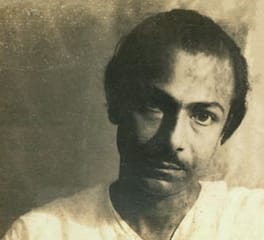
Photo: Bobbychowdhury at English Wikipedia / CC BY-SA 3.0 (source: Wikimedia Commons)
Born on November 19, 1925 in Harinavi, South 24 Parganas district, India, Salil Chowdhury was a playwright, composer and poet. Salil Chowdhury died on September 5, 1995 at the age of 69. Schooling on record includes Harinavi DVAS High School and University of Calcutta. Recorded honors include Sangeet Natak Akademi Award and Filmfare Award for Best Music Director (1959).
My Take
Salil Chowdhury is one of those composers whose influence dwarfs his name recognition outside India. Writing film music across thirteen languages, blending Western classical structures with Bengali folk traditions, he treated the entire subcontinent as his canvas. The fact that he was also a poet, screenwriter, and director only deepens my admiration; this was a complete artist. What moves me most is his fearless cross-pollination of musical worlds at a time when that was rare. Decades after his death, those melodies still circulate, quietly proving that great composition outlives the language it was first written in.
This take was written by generative AI, one per person, from publicly reported facts (editorial policy). It is a reading of the record, not reporting.
1. Profile
- Name (English)
- Salil Chowdhury
- Name (Japanese)
- サリル・チョーダリー
- Reading
- さりる・ちょーだりー
- Born
- November 19, 1925 – September 5, 1995
- Origin
- Harinavi, South 24 Parganas district, India
- Occupation
- playwright / composer / poet / screenwriter / director
- Zodiac / Chinese zodiac
- Scorpio / Ox
2. Background
- High school
- Harinavi DVAS High School
- University
- University of Calcutta
Awards & achievements
- Sangeet Natak Akademi Award
- 1959 Filmfare Award for Best Music Director
3. Links
- Official sitehttps://www.salilda.com/
- Wikipedia (English)https://en.wikipedia.org/wiki/Salil%20Chowdhury
- Wikidatahttps://www.wikidata.org/wiki/Q3349404
4. About this entry
Tags
- Last updated
Facts are limited to publicly available information up to 2024; non-public or unconfirmed items are omitted. English text is machine-assisted (facts translated by Sonnet, "My Take" written by Opus 4.8). The Japanese page is the source of record.
Frequently asked questions
When was Salil Chowdhury born?
Salil Chowdhury was born on November 19, 1925.
When did Salil Chowdhury die?
Salil Chowdhury died on September 5, 1995, aged 69.
Where was Salil Chowdhury from?
Salil Chowdhury was from Harinavi, South 24 Parganas district, India.
What did Salil Chowdhury do?
Salil Chowdhury worked as playwright, composer, poet, screenwriter, director.
Where did Salil Chowdhury study?
Salil Chowdhury attended University of Calcutta.
Playwright — see all → · Composer — see all → · More people from India → · More people born on November 19 →