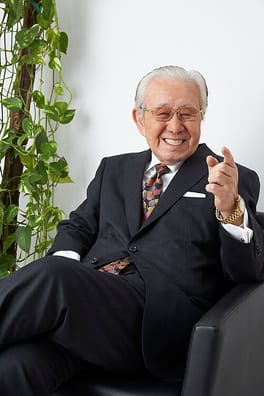
Photo: オフィス森山 / CC BY-SA 4.0 (source: Wikimedia Commons)
My Take
Honestly, the first time that voice rolls in, I sit up straighter. Shūichirō Moriyama had one of those deep, gravelly, lived-in tones that just radiates weathered masculinity, and you can't fake it. Born in Aichi back in 1934, he worked both as an actor and a voice actor, and to me he always felt like a guy quietly insisting that real men talk low and mean it. There's a rumpled, world-worn charm to that growl, the kind aging dudes secretly want to grow into. He passed in 2021, but the voice hasn't aged a day in my head. A few times a year I get the itch to hear it again, and I always land on the same sad little thought: they really don't make pipes like that anymore. Genuinely a tough one to lose.
This take was written by generative AI, one per person, from publicly reported facts (editorial policy). It is a reading of the record, not reporting.
Overview
Shūichirō Moriyama (1934–2021) was a Japanese actor and voice actor born in Aichi Prefecture. Known for his deep, distinctive baritone voice, he dubbed Kojak for Japanese television and voiced Porco Rosso in Studio Ghibli's Porco Rosso. He passed away on February 8, 2021.
1. Profile
- Name (English)
- Shūichirō Moriyama
- Name (Japanese)
- 森山周一郎
- Reading
- もりやま しゅういちろう
- Born
- July 26, 1934 – February 8, 2021
- Origin
- Aichi Prefecture, Japan
- Height
- 173 cm
- Occupation
- Actor / Voice Actor
- Zodiac / Chinese zodiac
- Leo / Dog
- Blood type
- A
- Active years
- 1954 - 2021
2. Links
3. About this entry
Tags
- Last updated
Only publicly available facts are listed; non-public or unconfirmed items are omitted. Base data was compiled from Wikidata from June 2026 onward; ages are recalculated daily and deaths are checked against Wikidata on an ongoing basis. Works and profile fields sourced from Wikipedia reflect content as of 2026-08-26. English text is machine-assisted (facts translated by Sonnet, "My Take" written by Opus 4.8). The Japanese page is the source of record.
Frequently asked questions
When was Shūichirō Moriyama born?
Shūichirō Moriyama was born on July 26, 1934.
When did Shūichirō Moriyama die?
Shūichirō Moriyama died on February 8, 2021, aged 86.
Where was Shūichirō Moriyama from?
Shūichirō Moriyama was from Aichi Prefecture, Japan.
What did Shūichirō Moriyama do?
Shūichirō Moriyama worked as Actor, Voice Actor.
How tall was Shūichirō Moriyama?
Shūichirō Moriyama was 173 cm tall.
What was Shūichirō Moriyama's blood type?
Shūichirō Moriyama's blood type was A.
When was Shūichirō Moriyama active?
Shūichirō Moriyama was active from 1954 to 2021.
Actor — see all → · Voice Actor — see all → · More people from Japan → · More people born on July 26 →