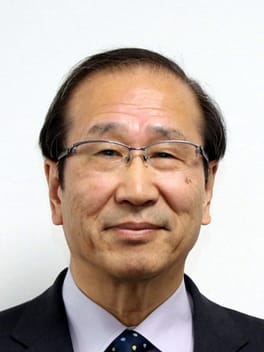
Photo: 日本学士院 / CC BY 4.0 (source: Wikimedia Commons)
Born on July 4, 1951 in Kyoto, Kyoto Prefecture, Japan, Susumu Kitagawa is a chemist and university teacher. Susumu Kitagawa is 75 years old as of 2026. Education on record includes Kyoto University. Listed accolades include De Gennes Prize (2013), Clarivate Citation Laureates (2010) and Ernest Solvay Prize (2017).
My Take
Susumu Kitagawa is exactly the kind of scientist I find quietly heroic. His work on porous coordination polymers and metal-organic frameworks reads, to a layperson like me, almost like architecture at the molecular scale: designing materials full of deliberate empty space to capture and channel gases. The path from a Kyoto University training to the Clarivate Citation laureate list and ultimately a Nobel Prize reflects decades of patient, unglamorous accumulation. I admire that he chose depth over spectacle. There is something deeply moving about world-changing knowledge emerging not from noise, but from one chemist's sustained curiosity in Kyoto.
This take was written by generative AI, one per person, from publicly reported facts (editorial policy). It is a reading of the record, not reporting.
1. Profile
- Name (English)
- Susumu Kitagawa
- Name (Japanese)
- 北川進
- Reading
- きたがわ すすむ
- Born
- July 4, 1951 (age 75)
- Origin
- Kyoto, Kyoto Prefecture, Japan
- Occupation
- chemist / university teacher
- Zodiac / Chinese zodiac
- Cancer / Rabbit
2. Background
- University
- Kyoto University
Awards & achievements
- 2013 De Gennes Prize
- 2010 Clarivate Citation Laureates
- 2017 Ernest Solvay Prize
3. Links
- Official sitehttps://www.kitagawa.icems.kyoto-u.ac.jp/?lang=en
- Wikipedia (English)https://en.wikipedia.org/wiki/Susumu%20Kitagawa
- Wikipedia (Japanese)https://ja.wikipedia.org/wiki/%E5%8C%97%E5%B7%9D%E9%80%B2
- Wikidatahttps://www.wikidata.org/wiki/Q11401680
4. About this entry
Tags
- Last updated
Facts are limited to publicly available information up to 2024; non-public or unconfirmed items are omitted. English text is machine-assisted (facts translated by Sonnet, "My Take" written by Opus 4.8). The Japanese page is the source of record.
Frequently asked questions
When was Susumu Kitagawa born?
Susumu Kitagawa was born on July 4, 1951 and is 75 years old.
Where is Susumu Kitagawa from?
Susumu Kitagawa is from Kyoto, Kyoto Prefecture, Japan.
What does Susumu Kitagawa do?
Susumu Kitagawa works as chemist, university teacher.
Where did Susumu Kitagawa study?
Susumu Kitagawa attended Kyoto University.
Chemist — see all → · University teacher — see all → · More people from Japan → · More people born on July 4 →