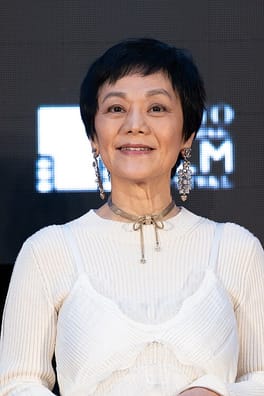
Photo: Dick Thomas Johnson from Tokyo, Japan / CC BY 2.0 (source: Wikimedia Commons)
Sylvia Chang is a singer, actor and writer, born on July 21, 1953 in Chiayi City, Taiwan. As of 2026, Sylvia Chang is 73 years old. Awards on record include Golden Horse Award for Best Leading Actress (1981, 1986), Chevalier des Arts et des Lettres (2017), Asia's Most Influential Taiwan (2021) and 1 more. Credited works include Murmur of the Hearts and 20 30 40.
My Take
Sylvia Chang is one of those rare figures who seems to have done everything in film and done it well. What strikes me most is the range: she's a two-time Golden Horse Best Actress winner who also directs, writes, and sings, and she's kept that going across decades. Murmur of the Hearts and 20 30 40 show a filmmaker genuinely curious about women's inner lives, not just commercial returns. France making her a Chevalier des Arts et des Lettres feels right to me. I read her as a quiet pillar of Chinese-language cinema, the kind of artist whose influence you only fully appreciate looking back.
This take was written by generative AI, one per person, from publicly reported facts (editorial policy). It is a reading of the record, not reporting.
1. Profile
- Name (English)
- Sylvia Chang
- Name (Japanese)
- シルヴィア・チャン
- Reading
- しるゔぃあ・ちゃん
- Born
- July 21, 1953 (age 73)
- Origin
- Chiayi City, Taiwan
- Occupation
- singer / actor / writer / film director / screenwriter
- Zodiac / Chinese zodiac
- Cancer / Snake
2. Background
Awards & achievements
- 1981 Golden Horse Award for Best Leading Actress
- 1986 Golden Horse Award for Best Leading Actress
- 2017 Chevalier des Arts et des Lettres
- 2021 Asia's Most Influential Taiwan
- 2023 Tatler Most Influential Hong Kong
3. Works & records
Filmography / notable works
| Category | Title |
|---|---|
| Notable work | Murmur of the Hearts |
| Notable work | 20 30 40 |
4. Links
5. About this entry
Tags
- Last updated
Facts are limited to publicly available information up to 2024; non-public or unconfirmed items are omitted. English text is machine-assisted (facts translated by Sonnet, "My Take" written by Opus 4.8). The Japanese page is the source of record.
Frequently asked questions
When was Sylvia Chang born?
Born July 21, 1953 (age 73).
Where is Sylvia Chang from?
Sylvia Chang is from Chiayi City, Taiwan.
What does Sylvia Chang do?
Sylvia Chang works as singer, actor, writer, film director, screenwriter.
What is Sylvia Chang known for?
Notable works include Murmur of the Hearts, 20 30 40.
Singer — see all → · Actor — see all → · More people from Taiwan →