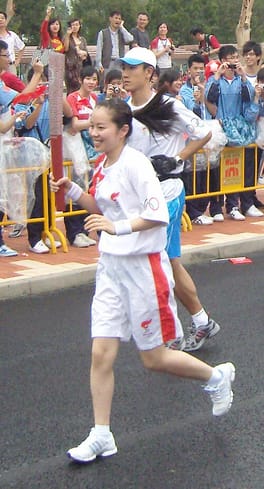
Photo: Stewart~惡龍 / CC BY 3.0 (source: Wikimedia Commons)
Tie Ya Na was born on May 13, 1979 in Henan, People's Republic of China and is credited as a table tennis player. Tie Ya Na is 47 years old as of 2026. Education on record includes East China University of Science and Technology.
My Take
Tie Ya Na's story resonates with me because it is really about the courage to change your stage. Surfacing in China's brutally competitive table tennis system is nearly impossible, so her decision to emigrate to Hong Kong in 2002 and compete for a new flag was both bold and wise. Two silver medals at the 2006 Asian Games, in singles and doubles, vindicated that gamble completely. That she also earned a degree at East China University of Science and Technology hints at a thoughtful athlete, and her marriage to a fellow Hong Kong player adds a warm coda. I applaud a life remade on her own terms.
This take was written by generative AI, one per person, from publicly reported facts (editorial policy). It is a reading of the record, not reporting.
1. Profile
- Name (English)
- Tie Ya Na
- Name (Japanese)
- 帖雅娜
- Reading
- ちょう・がな
- Born
- May 13, 1979 (age 47)
- Origin
- Henan, People's Republic of China
- Occupation
- table tennis player
- Zodiac / Chinese zodiac
- Taurus / Goat
2. Background
- University
- East China University of Science and Technology
3. Links
- Wikipedia (English)https://en.wikipedia.org/wiki/Tie%20Ya%20Na
- Wikipedia (Japanese)https://ja.wikipedia.org/wiki/%E5%B8%96%E9%9B%85%E5%A8%9C
- Wikidatahttps://www.wikidata.org/wiki/Q455707
4. About this entry
Tags
- Last updated
Facts are limited to publicly available information up to 2024; non-public or unconfirmed items are omitted. English text is machine-assisted (facts translated by Sonnet, "My Take" written by Opus 4.8). The Japanese page is the source of record.
Frequently asked questions
When was Tie Ya Na born?
Born May 13, 1979 (age 47).
Where is Tie Ya Na from?
Tie Ya Na is from Henan, People's Republic of China.
What does Tie Ya Na do?
Tie Ya Na works as table tennis player.
Table tennis player — see all → · More people from the People's Republic of China →