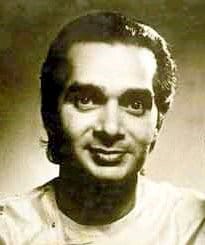
Photo: AnonymousUnknown author / Public domain (source: Wikimedia Commons)
Uday Shankar was a choreographer, dancer and film director, born on December 8, 1900 in Udaipur, Udaipur district, India. Uday Shankar died on September 26, 1977 at the age of 76. Education on record includes Royal College of Art. Listed accolades include Sangeet Natak Akademi Award, Padma Vibhushan and Fellow of the Sangeet Natak Akademi.
My Take
Uday Shankar strikes me as a true pioneer, a man working a century ahead of his time. What I find remarkable is his fusion of European theatrical staging with Indian classical, folk, and tribal dance, creating something genuinely new rather than merely imported. By touring India, Europe, and the United States in the 1920s and 30s, he became a cultural bridge when such bridges were rare. The Padma Vibhushan was richly deserved. I hold deep respect for artists who expand what their art can be, and Shankar quite literally shaped the global vocabulary of modern Indian dance.
This take was written by generative AI, one per person, from publicly reported facts (editorial policy). It is a reading of the record, not reporting.
1. Profile
- Name (English)
- Uday Shankar
- Name (Japanese)
- ウダイ・シャンカール
- Reading
- うだい・しゃんかーる
- Born
- December 8, 1900 – September 26, 1977
- Origin
- Udaipur, Udaipur district, India
- Occupation
- choreographer / dancer / film director / screenwriter / actor
- Zodiac / Chinese zodiac
- Sagittarius / Rat
2. Background
- University
- Royal College of Art
Awards & achievements
- Sangeet Natak Akademi Award
- Padma Vibhushan
- Fellow of the Sangeet Natak Akademi
3. Links
- Wikipedia (English)https://en.wikipedia.org/wiki/Uday%20Shankar
- Wikidatahttps://www.wikidata.org/wiki/Q3351708
4. About this entry
Tags
- Last updated
Facts are limited to publicly available information up to 2024; non-public or unconfirmed items are omitted. English text is machine-assisted (facts translated by Sonnet, "My Take" written by Opus 4.8). The Japanese page is the source of record.
Frequently asked questions
When was Uday Shankar born?
Uday Shankar was born on December 8, 1900.
When did Uday Shankar die?
Uday Shankar died on September 26, 1977, aged 76.
Where was Uday Shankar from?
Uday Shankar was from Udaipur, Udaipur district, India.
What did Uday Shankar do?
Uday Shankar worked as choreographer, dancer, film director, screenwriter, actor.
Where did Uday Shankar study?
Uday Shankar attended Royal College of Art.
Choreographer — see all → · Dancer — see all → · More people from India → · More people born on December 8 →