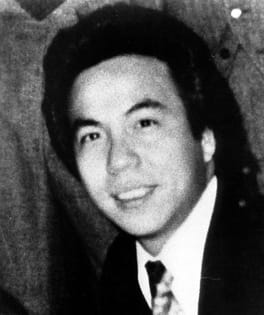
Photo: Unknown author / Public domain (source: Wikimedia Commons)
Vincent Chin, born on May 18, 1955 in Guangdong, People's Republic of China, was a public figure. Vincent Chin died on June 23, 1982, aged 27. Schooling on record includes Oak Park High School.
My Take
Vincent Chin's story is one of the most important — and most painful — chapters in Asian American history, and I think every American should know it. He was a 27-year-old draftsman in Detroit, just days away from his wedding, when two white autoworkers beat him to death with a baseball bat in 1982, reportedly blaming "the Japanese" for the auto industry's decline — never mind that Chin was Chinese American. What followed was almost as devastating: neither man served a single day in prison for his murder. That injustice lit a fire under the Asian American community and galvanized a civil rights movement that had been largely invisible to mainstream America. The 1988 documentary "Who Killed Vincent Chin?" brought his story to a national audience and earned an Academy Award nomination. His name became a rallying cry, and it still is — a reminder that racism doesn't ask for your actual identity before it strikes.
This take was written by generative AI, one per person, from publicly reported facts (editorial policy). It is a reading of the record, not reporting.
1. Profile
- Name (English)
- Vincent Chin
- Name (Japanese)
- ビンセント・チン
- Reading
- びんせんと・ちん
- Born
- May 18, 1955 – June 23, 1982
- Origin
- Guangdong, People's Republic of China
- Occupation
- Public figure
- Zodiac / Chinese zodiac
- Taurus / Goat
2. Background
- High school
- Oak Park High School
3. Links
4. About this entry
Tags
- Last updated
Only publicly available facts are listed; non-public or unconfirmed items are omitted. Base data was compiled from Wikidata from June 2026 onward; ages are recalculated daily and deaths are checked against Wikidata on an ongoing basis. English text is machine-assisted (facts translated by Sonnet, "My Take" written by Opus 4.8). The Japanese page is the source of record.
Frequently asked questions
When was Vincent Chin born?
Vincent Chin was born on May 18, 1955.
When did Vincent Chin die?
Vincent Chin died on June 23, 1982, aged 27.
Where was Vincent Chin from?
Vincent Chin was from Guangdong, People's Republic of China.
What did Vincent Chin do?
Vincent Chin worked as Public figure.
Which high school did Vincent Chin attend?
Vincent Chin attended Oak Park High School.
Public figure — see all → · More people from the People's Republic of China → · More people born on May 18 →