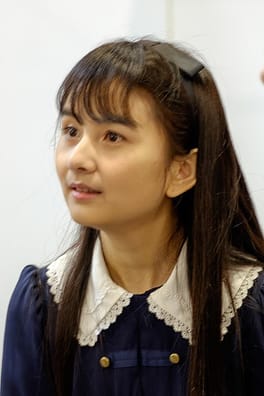
Photo: 玄史生 / CC0 (source: Wikimedia Commons)
Xia Da is a comics artist and manhuajia. Xia Da was born on April 4, 1981 in Huaihua, People's Republic of China. That works out to 45 years old in 2026. Education on record includes Changsha University of Science and Technology.
My Take
Xia Da is a reminder to me that comics talent travels. She's a Chinese manhua artist, and the data oddly labels her American, which I'd disregard. What draws me in is the reception: her work, especially Zi Bu Yu and Chang Ge Xing, was praised for a classical, almost painterly style, and it landed well in Japan, a notoriously hard market for outside artists to crack. Five million copies sold by 2018 tells me this wasn't a cult success but a genuine commercial one. I find it telling that she earned respect on both sides of a sometimes prickly cultural border purely on the strength of her linework.
This take was written by generative AI, one per person, from publicly reported facts (editorial policy). It is a reading of the record, not reporting.
1. Profile
- Name (English)
- Xia Da
- Name (Japanese)
- 夏達
- Reading
- か・たつ
- Born
- April 4, 1981 (age 45)
- Origin
- Huaihua, People's Republic of China
- Occupation
- comics artist / manhuajia
- Zodiac / Chinese zodiac
- Aries / Rooster
2. Background
- University
- Changsha University of Science and Technology
3. Links
- Wikipedia (English)https://en.wikipedia.org/wiki/Xia%20Da
- Wikipedia (Japanese)https://ja.wikipedia.org/wiki/%E5%A4%8F%E9%81%94
- Wikidatahttps://www.wikidata.org/wiki/Q3883261
4. About this entry
Tags
- Last updated
Facts are limited to publicly available information up to 2024; non-public or unconfirmed items are omitted. English text is machine-assisted (facts translated by Sonnet, "My Take" written by Opus 4.8). The Japanese page is the source of record.
Frequently asked questions
When was Xia Da born?
Born April 4, 1981 (age 45).
Where is Xia Da from?
Xia Da is from Huaihua, People's Republic of China.
What does Xia Da do?
Xia Da works as comics artist, manhuajia.
Comics artist — see all → · More people from the People's Republic of China →