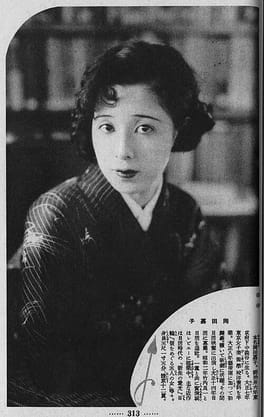
Photo: 大日本雄弁会講談社 / Dai Nippon Yubenkai Kodansha. / Public domain (source: Wikimedia Commons)
My Take
I'll be honest, names like Yoshiko Okada make me sit up a little straighter, because we're talking about someone born in 1902 who stepped onto the screen back when movies were silent and the whole medium was still figuring out what it could be. A Hiroshima kid who became one of the big faces of Japanese cinema's earliest era, then lived a life dramatic enough to feel scripted, the kind of star whose name carries the whole sweep of the 20th century with it. I love that she didn't just act but reportedly reached toward directing too, which took real nerve for a woman of that generation. There's something quietly moving about discovering a performer who saw the silent age, the war years, and almost ninety years of history go by. Old-guard greatness, and I'm glad she's remembered.
This take was written by generative AI, one per person, from publicly reported facts (editorial policy). It is a reading of the record, not reporting.
Overview
Yoshiko Okada (1902–1992) was a Japanese actress and film director born in Hiroshima City, Hiroshima Prefecture. Active from the silent-film era through the mid-twentieth century, she was among the pioneering women who both performed in and directed Japanese cinema. She studied at Joshibi University of Art and Design. She passed away on February 10, 1992, at the age of 89.
1. Profile
- Name (English)
- Yoshiko Okada
- Name (Japanese)
- 岡田嘉子
- Reading
- おかだ よしこ
- Born
- April 21, 1902 – February 10, 1992
- Origin
- Hiroshima City, Hiroshima Prefecture, Japan
- Occupation
- Actress / Film Director
- Zodiac / Chinese zodiac
- Taurus / Tiger
- Active years
- 1918 - 1986
2. Background
- University
- Joshibi University of Art and Design
3. Works & records
Works summary
- Appearances
- 31
- By year (titles with a known year)
- 1976: 1, 1977: 2, 1978: 4, 1979: 1, 1980: 1, 1981: 2, 1986: 3, 1994: 1, year unknown: 16
Filmography / notable works
| Category | Title | Year |
|---|---|---|
| Variety program | 世界・わが心の旅 | 1994 |
| Film | Don Matsugorō no Seikatsu | 1986 |
| Film | 素敵な女性 美しく老いる | 1986 |
| TV drama | 天使たちの微笑み 280日の赤ちゃん狂騒曲 | 1986 |
| TV drama | あの街で… | 1981 |
| TV drama | 土曜ワイド劇場 北海道殺人事件・わたしの婚約日記 | 1981 |
| TV drama | 土曜ワイド劇場 化けた花嫁 財産乗っ取り計画 | 1980 |
| TV drama | 東芝日曜劇場 露玉の首飾り | 1979 |
| Film | Orange Road Express | 1978 |
| Film | August Without Emperor | 1978 |
| TV drama | 朝顔 | 1978 |
| TV drama | 土曜ドラマ 松本清張シリーズ 虚飾の花園 | 1978 |
| TV drama | ドラマ人間模様 女たちの海 | 1977 |
| TV drama | 土曜ワイド劇場 涙 じっと見つめる目 | 1977 |
| Film | Tora-san's Sunrise and Sunset | 1976 |
| Film | 髑髏の舞 | |
| Film | 街の手品師 | |
| Film | 大地は微笑む | |
| Film | 日輪 | |
| Film | 狂恋の女師匠 | |
| Film | 彼を繞 | |
| Film | 忠臣蔵 前・後篇 赤穂京の巻 江戸の巻 | |
| Film | また逢ふ日まで | |
| Film | 生さぬ仲 | |
| Film | 泣き濡れた春の女よ | |
| Film | 東京の女 | |
| Film | 隣の八重ちゃん | |
| Film | 一本刀土俵入り | |
| Film | 東京の宿 | |
| Film | お静礼三 | |
| Radio | 静御前 |
4. Links
- Wikipedia (Japanese)https://ja.wikipedia.org/wiki/%E5%B2%A1%E7%94%B0%E5%98%89%E5%AD%90
- Wikidatahttps://www.wikidata.org/wiki/Q11048889
5. About this entry
Tags
- Last updated
Only publicly available facts are listed; non-public or unconfirmed items are omitted. Base data was compiled from Wikidata from June 2026 onward; ages are recalculated daily and deaths are checked against Wikidata on an ongoing basis. Works and profile fields sourced from Wikipedia reflect content as of 2026-08-26. English text is machine-assisted (facts translated by Sonnet, "My Take" written by Opus 4.8). The Japanese page is the source of record.
Frequently asked questions
When was Yoshiko Okada born?
Yoshiko Okada was born on April 21, 1902.
When did Yoshiko Okada die?
Yoshiko Okada died on February 10, 1992, aged 89.
Where was Yoshiko Okada from?
Yoshiko Okada was from Hiroshima City, Hiroshima Prefecture, Japan.
What did Yoshiko Okada do?
Yoshiko Okada worked as Actress, Film Director.
Where did Yoshiko Okada study?
Yoshiko Okada attended Joshibi University of Art and Design.
When was Yoshiko Okada active?
Yoshiko Okada was active from 1918 to 1986.
Actress — see all → · Film Director — see all → · More people from Japan → · More people born on April 21 →