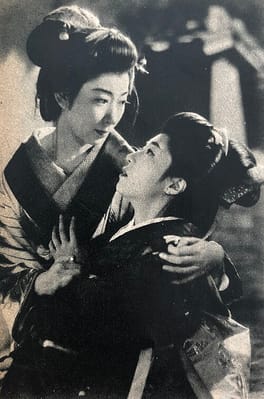
Photo: 産業経済新聞社(Sankei Shinbun Co., Ltd.) / Public domain (source: Wikimedia Commons)
My Take
Born in Tokyo at the tail end of 1924, Yumiko Hasegawa lived through basically all of it — the militarism, the war, the rubble, the economic miracle, the bubble — and kept acting through the whole thing. That's not a career, that's a life's work in the truest sense. There's something about performers from that generation that I find genuinely humbling: they didn't have the safety net of social media goodwill or a streaming platform to revive a forgotten filmography, they just had to be good and show up and earn it, decade after decade. I don't know her best roles well enough to name-drop them, but I don't need to; the fact that she stayed in the craft through all that says more than any award ever could. Gone since 2010, and quietly irreplaceable.
This take was written by generative AI, one per person, from publicly reported facts (editorial policy). It is a reading of the record, not reporting.
Overview
Yumiko Hasegawa (December 8, 1924 – July 27, 2010) was a Japanese actress born in Tokyo. She was active during the Showa era, a period of sweeping social and political change in Japan. She passed away in 2010, leaving behind a career that spanned much of the twentieth century.
1. Profile
- Name (English)
- Yumiko Hasegawa
- Name (Japanese)
- 長谷川裕見子
- Reading
- はせがわ ゆみこ
- Born
- December 8, 1924 – July 27, 2010
- Origin
- Tokyo, Japan
- Occupation
- Actress
- Zodiac / Chinese zodiac
- Sagittarius / Rat
- Active years
- 1950s - 1970s
2. Relationships
- Spouse
- 船越英二
3. Works & records
Works summary
- Appearances
- 26 (1950–1974)
- By year
- 1950: 1, 1951: 1, 1954: 1, 1955: 2, 1956: 2, 1957: 3, 1958: 5, 1959: 3, 1961: 1, 1963: 1, 1964: 1, 1965: 1, 1966: 1, 1968: 1, 1974: 1
- Debut work
- 傷だらけの男
Filmography / notable works
| Category | Title | Year |
|---|---|---|
| TV drama | 東芝日曜劇場・一つだけのいのち | 1974 |
| TV drama | 肝っ玉かあさん | 1968 |
| TV drama | お家が欲しいの | 1966 |
| TV drama | 東芝日曜劇場・女と味噌汁 | 1965 |
| Film | 新吾番外勝負 | 1964 |
| Film | 新選組血風録 近藤勇 | 1963 |
| Film | 赤穂浪士 | 1961 |
| Film | 大菩薩峠 完結篇 | 1959 |
| Film | 新吾十番勝負 | 1959 |
| TV drama | 東芝日曜劇場・カミさんと私 | 1959 |
| Film | 大菩薩峠 第二部 | 1958 |
| Film | 丹下左膳 | 1958 |
| Film | 風と女と旅鴉 | 1958 |
| Film | 旗本退屈男 | 1958 |
| Film | 国定忠治 | 1958 |
| Film | 水戸黄門 | 1957 |
| Film | 富士に立つ影 | 1957 |
| Film | 大菩薩峠 | 1957 |
| Film | 御存じ快傑黒頭巾 神出鬼没 | 1956 |
| Film | 鳳城の花嫁 | 1956 |
| Film | 隠密若衆 | 1955 |
| Film | 牢獄の花嫁 | 1955 |
| Film | 関八州勢揃い | 1954 |
| Film | 源氏物語 | 1951 |
| Film | 傷だらけの男 | 1950 |
| Film | 遊侠の群れ |
4. Links
5. About this entry
Tags
- Last updated
Facts are limited to publicly available information up to 2024; non-public or unconfirmed items are omitted. Works and profile fields sourced from Wikipedia reflect content as of 2026-08-26. English text is machine-assisted (facts translated by Sonnet, "My Take" written by Opus 4.8). The Japanese page is the source of record.
Frequently asked questions
When was Yumiko Hasegawa born?
Born December 8, 1924.
When did Yumiko Hasegawa die?
Died July 27, 2010, aged 85.
Where was Yumiko Hasegawa from?
Yumiko Hasegawa was from Tokyo, Japan.
What did Yumiko Hasegawa do?
Yumiko Hasegawa worked as Actress.
When was Yumiko Hasegawa active?
1950s - 1970s.
What was Yumiko Hasegawa known for?
Notable works include 東芝日曜劇場・一つだけのいのち, 肝っ玉かあさん, お家が欲しいの.