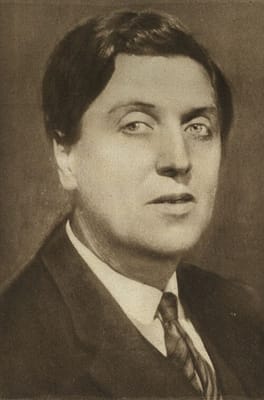
Photo: Max Fenichel / Public domain (source: Wikimedia Commons)
Public records list Alban Berg as a composer, pianist and musician. Alban Berg was born on February 9, 1885 in Vienna, Austria. Death is recorded on December 24, 1935, at the age of 50. Education on record includes University of Music and Performing Arts Vienna. Credited works include Three Pieces for Orchestra, Wozzeck and Lulu.
My Take
Alban Berg is, for me, the most humane of the Second Viennese School. He wielded Schoenberg's austere twelve-tone method yet never let Romantic warmth drain out of his music, and that tension is precisely his genius. Wozzeck and Lulu set bleak, pitiless stories to melodies of unbearable beauty, while the Violin Concerto, dedicated to the memory of an angel, became something close to his own requiem before his early death at fifty. I am drawn to artists who refuse to choose between intellect and feeling. Berg held both at once, and his music aches because of it.
This take was written by generative AI, one per person, from publicly reported facts (editorial policy). It is a reading of the record, not reporting.
1. Profile
- Name (English)
- Alban Berg
- Name (Japanese)
- アルバン・ベルク
- Reading
- あるばん・べるく
- Born
- February 9, 1885 – December 24, 1935
- Origin
- Vienna, Austria
- Occupation
- composer / pianist / musician / librettist
- Zodiac / Chinese zodiac
- Aquarius / Rooster
2. Background
- University
- University of Music and Performing Arts Vienna
3. Works & records
Filmography / notable works
| Category | Title |
|---|---|
| Notable work | Three Pieces for Orchestra |
| Notable work | Wozzeck |
| Notable work | Lulu |
| Notable work | Violin Concerto |
4. Links
- Wikipedia (English)https://en.wikipedia.org/wiki/Alban%20Berg
- Wikipedia (Japanese)https://ja.wikipedia.org/wiki/%E3%82%A2%E3%83%AB%E3%83%90%E3%83%B3%E3%83%BB%E3%83%99%E3%83%AB%E3%82%AF
- Wikidatahttps://www.wikidata.org/wiki/Q78475
5. About this entry
Tags
- Last updated
Facts are limited to publicly available information up to 2024; non-public or unconfirmed items are omitted. English text is machine-assisted (facts translated by Sonnet, "My Take" written by Opus 4.8). The Japanese page is the source of record.
Frequently asked questions
When was Alban Berg born?
Alban Berg was born on February 9, 1885.
When did Alban Berg die?
Alban Berg died on December 24, 1935, aged 50.
Where was Alban Berg from?
Alban Berg was from Vienna, Austria.
What did Alban Berg do?
Alban Berg worked as composer, pianist, musician, librettist.
Where did Alban Berg study?
Alban Berg attended University of Music and Performing Arts Vienna.
What was Alban Berg known for?
Alban Berg's notable works include Three Pieces for Orchestra, Wozzeck, Lulu.
Composer — see all → · Pianist — see all → · More people from Austria → · More people born on February 9 →