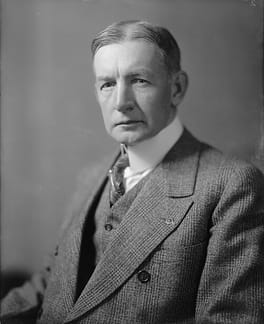
Photo: Harris & Ewing / Public domain (source: Wikimedia Commons)
Charles G. Dawes was born on August 27, 1865 in Marietta, Ohio, United States. Public records list Charles G. Dawes as a politician, diplomat and pianist. Death is recorded on April 23, 1951, at the age of 85. Education on record includes Marietta College. Recorded honors include Nobel Peace Prize (1925).
My Take
Charles G. Dawes is the kind of figure I love stumbling onto, because he packed several lives into one. Vice president under Coolidge, Nobel Peace Prize winner for the Dawes Plan on World War I reparations, and somehow also a pianist whose melody later became a popular song. That last detail charms me most. A politician and diplomat who could actually compose feels rare, then and now. The 1925 peace prize tells me his work on Europe's debt mess genuinely mattered, not just as policy but as an attempt to steady a fragile postwar order. He strikes me as a serious man with an unexpectedly creative streak.
This take was written by generative AI, one per person, from publicly reported facts (editorial policy). It is a reading of the record, not reporting.
1. Profile
- Name (English)
- Charles G. Dawes
- Name (Japanese)
- チャールズ・ドーズ
- Reading
- ちゃーるず・どーず
- Born
- August 27, 1865 – April 23, 1951
- Origin
- Marietta, Ohio, United States
- Occupation
- politician / diplomat / pianist / writer / economist
- Zodiac / Chinese zodiac
- Virgo / Ox
2. Background
- University
- Marietta College
Awards & achievements
- 1925 Nobel Peace Prize
3. Links
4. About this entry
Tags
- Last updated
Facts are limited to publicly available information up to 2024; non-public or unconfirmed items are omitted. English text is machine-assisted (facts translated by Sonnet, "My Take" written by Opus 4.8). The Japanese page is the source of record.
Frequently asked questions
When was Charles G. Dawes born?
Born August 27, 1865.
When did Charles G. Dawes die?
Died April 23, 1951, aged 85.
Where was Charles G. Dawes from?
Charles G. Dawes was from Marietta, Ohio, United States.
What did Charles G. Dawes do?
Charles G. Dawes worked as politician, diplomat, pianist, writer, economist.
Politician — see all → · Diplomat — see all → · More people from the United States →