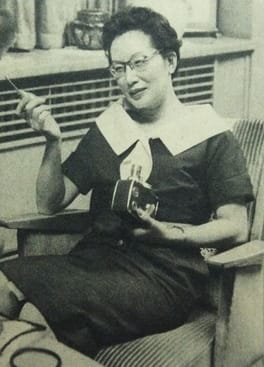
Photo: 朝日新聞社 / Public domain (source: Wikimedia Commons)
My Take
Chikako Hosokawa is one of those figures who puts your sense of time into perspective — born in 1905, she was already a living person when the Meiji era was still wrapping up, and by the time she passed in 1976, Japan had been through the Great Kanto Earthquake, a world war, occupation, and an economic miracle. That is a lot of history to carry through one lifetime, let alone one acting career. I don't know her filmography intimately, but that's almost beside the point: the sheer act of persisting as an actress through prewar and postwar Japan, when the whole social fabric kept getting torn and restitched, tells you something about the kind of quiet determination she must have had. I picture someone who showed up, did the work, and let the craft speak for itself, while the world outside was anything but calm.
This take was written by generative AI, one per person, from publicly reported facts (editorial policy). It is a reading of the record, not reporting.
Overview
Chikako Hosokawa (December 31, 1905 – March 20, 1976) was a Japanese actress born in Tokyo. Active during the prewar and postwar Showa era, she pursued her career through one of Japan's most turbulent historical periods. She passed away in 1976 at the age of 70.
1. Profile
- Name (English)
- Chikako Hosokawa
- Name (Japanese)
- 細川ちか子
- Reading
- ほそかわ ちかこ
- Born
- December 31, 1905 – March 20, 1976
- Origin
- Tokyo, Japan
- Occupation
- Actress
- Zodiac / Chinese zodiac
- Capricorn / Snake
2. Links
3. About this entry
Tags
- Last updated
Facts are limited to publicly available information up to 2024; non-public or unconfirmed items are omitted. English text is machine-assisted (facts translated by Sonnet, "My Take" written by Opus 4.8). The Japanese page is the source of record.
Frequently asked questions
When was Chikako Hosokawa born?
Born December 31, 1905.
When did Chikako Hosokawa die?
Died March 20, 1976, aged 70.
Where was Chikako Hosokawa from?
Chikako Hosokawa was from Tokyo, Japan.
What did Chikako Hosokawa do?
Chikako Hosokawa worked as Actress.