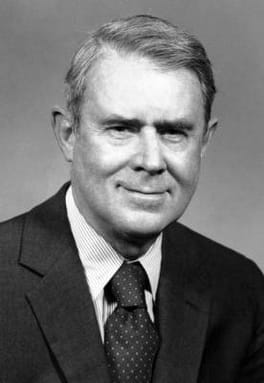
Photo: Unknown author / Public domain (source: Wikimedia Commons)
Cyrus Vance was born on March 27, 1917 in Clarksburg, West Virginia, United States and was credited as a military officer, lawyer and diplomat. Cyrus Vance died on January 12, 2002 at the age of 84. Education on record includes Yale College. Listed accolades include Presidential Medal of Freedom (1969), Four Freedoms Award – Freedom Medal (1993), Freedom Award (1992) and 1 more.
My Take
What strikes me about Cyrus Vance is the breadth of one career: lawyer, soldier, Deputy Secretary of Defense under Johnson, then Secretary of State under Carter. I respect that he resigned in 1980 over the Iran hostage rescue mission he opposed on principle, which tells me he valued his convictions over his title. The Presidential Medal of Freedom and a Yale education round out a profile of measured, establishment-style diplomacy. He feels like the kind of public servant whose name fades from headlines but whose decisions quietly shaped American foreign policy for decades. A serious figure I find genuinely worth studying.
This take was written by generative AI, one per person, from publicly reported facts (editorial policy). It is a reading of the record, not reporting.
1. Profile
- Name (English)
- Cyrus Vance
- Name (Japanese)
- サイラス・ヴァンス
- Reading
- さいらす・ゔぁんす
- Born
- March 27, 1917 – January 12, 2002
- Origin
- Clarksburg, West Virginia, United States
- Occupation
- military officer / lawyer / diplomat / ice hockey player / politician
- Zodiac / Chinese zodiac
- Aries / Snake
2. Background
- University
- Yale College
Awards & achievements
- 1969 Presidential Medal of Freedom
- 1993 Four Freedoms Award – Freedom Medal
- 1992 Freedom Award
- honorary doctorate of Haifa University
3. Links
4. About this entry
Tags
- Last updated
Facts are limited to publicly available information up to 2024; non-public or unconfirmed items are omitted. English text is machine-assisted (facts translated by Sonnet, "My Take" written by Opus 4.8). The Japanese page is the source of record.
Frequently asked questions
When was Cyrus Vance born?
Born March 27, 1917.
When did Cyrus Vance die?
Died January 12, 2002, aged 84.
Where was Cyrus Vance from?
Cyrus Vance was from Clarksburg, West Virginia, United States.
What did Cyrus Vance do?
Cyrus Vance worked as military officer, lawyer, diplomat, ice hockey player, politician.
Military officer — see all → · Lawyer — see all → · More people from the United States →