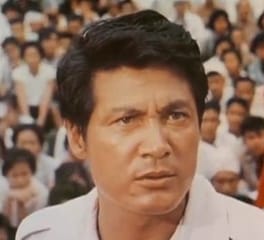
Photo: trailer screenshot (Universal Pictures) / Public domain (source: Wikimedia Commons)
My Take
I came to Eiji Okada the way a lot of people outside Japan probably did, through "Hiroshima mon amour," and honestly that quiet, wounded presence of his never left me. There's something disarming about him: he doesn't perform intensity at you, he just lets it sit behind the eyes, and you lean in. A 1920 kid from Choshi by the sea who made it through Keio and the war years and still chose acting feels like its own little epic to me. I love that he also worked as a film editor, because you can sense that craftsman's patience in how he holds a scene. He carries that old-cinema dignity that modern screens rarely manage. He passed in 1995, but watching him, I just want to sit still and pay attention.
This take was written by generative AI, one per person, from publicly reported facts (editorial policy). It is a reading of the record, not reporting.
Overview
Eiji Okada was a Japanese actor and film editor born on June 13, 1920, in Choshi, Chiba Prefecture. He graduated from Keio University and pursued a career that spanned acting and the technical craft of film editing, making him a distinctive figure in Japanese cinema. He passed away on September 14, 1995.
1. Profile
- Name (English)
- Eiji Okada
- Name (Japanese)
- 岡田英次
- Reading
- おかだ えいじ
- Born
- June 13, 1920 – September 14, 1995
- Origin
- Choshi, Chiba Prefecture, Japan
- Occupation
- Actor / Film Editor / Film Actor
- Zodiac / Chinese zodiac
- Gemini / Monkey
2. Background
- University
- Keio University
3. Works & records
Works summary
- Appearances
- 240 (1950–1995)
- By year (titles with a known year)
- 1950: 2, 1951: 4, 1952: 4, 1953: 3, 1954: 2, 1955: 5, 1956: 4, 1957: 1, 1958: 2, 1959: 4, 1960: 1, 1961: 4, 1963: 2, 1964: 5, 1965: 3, 1966: 2, 1967: 5, 1968: 5, 1969: 8, 1970: 7, 1971: 5, 1972: 5, 1973: 9, 1974: 13, 1975: 14, 1976: 15, 1977: 15, 1978: 14, 1979: 7, 1980: 7, 1981: 8, 1982: 5, 1983: 5, 1984: 4, 1985: 1, 1986: 3, 1987: 2, 1988: 1, 1989: 1, 1990: 1, 1991: 3, 1992: 1, 1993: 1, 1994: 1, 1995: 2, year unknown: 24
- Debut work
- また逢う日まで
Filmography / notable works
| Category | Title | Year |
|---|---|---|
| Film | 遥かな時代の階段を | 1995 |
| Film | Secret Liaisons | 1995 |
| TV drama | 白根の万左衛門 | 1994 |
| TV drama | 京都北国殺人街道 | 1993 |
| TV drama | チロルの挽歌 | 1992 |
| Film | 陽炎 | 1991 |
| Film | 渋滞 | 1991 |
| TV drama | しゃぼん玉 | 1991 |
| TV drama | 荒木又右衛門 決戦・鍵屋の辻 | 1990 |
| TV drama | 恋の友だち 〜ミス日本の犯罪〜 | 1989 |
| Film | グリーン・レクイエム | 1988 |
| TV drama | 女弁護士 朝吹里矢子シリーズ9 相続欠格の謎 | 1987 |
| TV drama | 血染めの遠山桜 | 1987 |
| Film | オイディプスの刃 | 1986 |
| TV drama | 女検事・霞夕子シリーズ2 白い影 | 1986 |
| TV drama | 木曜ゴールデンドラマ / 夫婦関係 | 1986 |
| Film | Haru no Kane | 1985 |
| Film | アギ 鬼神の怒り | 1984 |
| TV drama | 復讐唐人剣 | 1984 |
| TV drama | 女優志願! 火の国から来た女 | 1984 |
| TV drama | 消えた日曜日 | 1984 |
| Film | Antarctica | 1983 |
| TV drama | 陰謀砕いた薪能 -盛岡- | 1983 |
| TV drama | 横溝正史の真珠郎 | 1983 |
| TV drama | 女優殺し | 1983 |
| TV drama | 大岡越前 | 1983 |
| Film | Lady On 6Th Street: Taste Of Honey | 1982 |
| TV drama | 二人の妻をもつ男 | 1982 |
| TV drama | 死の断崖 | 1982 |
| TV drama | 殺生禁断!鯉の罠 | 1982 |
| TV drama | 大屋根に立つ美貌の女盗賊! | 1982 |
| Film | Bôkensha kamikaze | 1981 |
| Film | 狂った果実 | 1981 |
| TV drama | 特別編必殺仕事人 恐怖の大仕事 水戸・尾張・紀伊 | 1981 |
| TV drama | 呪われた千両箱 | 1981 |
| TV drama | かりそめの愛を | 1981 |
| TV drama | 三人の命知らず | 1981 |
| TV drama | 消えたタンカー | 1981 |
| TV drama | 同心暁蘭之介 | 1981 |
| Film | 幸福号出帆 | 1980 |
| Film | Deathquake | 1980 |
| TV drama | 北の岬の仇討 -八戸- | 1980 |
| TV drama | 化人幻戯 | 1980 |
| TV drama | 失われた戦場 さらば友よ! | 1980 |
| TV drama | 東京大地震マグニチュード8.1 | 1980 |
| TV drama | 標的という名の女 | 1980 |
| Film | 黄金の犬 | 1979 |
| TV drama | 額の傷が見た! 恐怖のあしたを | 1979 |
| TV drama | 火神に憑かれた娘 | 1979 |
| TV drama | 見込捜査 | 1979 |
| TV drama | 爆破魔・傷だらけのアイドル! | 1979 |
| TV drama | 風光る・亜紀子 | 1979 |
| TV drama | パリ-東京! 秘められた青春をさがせ | 1979 |
| Film | August Without Emperor | 1978 |
| Film | Blue Christmas | 1978 |
| Film | 原子力戦争 | 1978 |
| Film | Take Me Away! | 1978 |
| TV drama | 江戸日本橋 | 1978 |
| TV drama | 横溝正史シリーズII / 真珠郎 | 1978 |
| TV drama | 江戸の鷹 御用部屋犯科帖 | 1978 |
4. Links
- Wikipedia (Japanese)https://ja.wikipedia.org/wiki/%E5%B2%A1%E7%94%B0%E8%8B%B1%E6%AC%A1
- Wikidatahttps://www.wikidata.org/wiki/Q139253
5. About this entry
Tags
- Last updated
Only publicly available facts are listed; non-public or unconfirmed items are omitted. Base data was compiled from Wikidata from June 2026 onward; ages are recalculated daily and deaths are checked against Wikidata on an ongoing basis. Works and profile fields sourced from Wikipedia reflect content as of 2026-08-26. English text is machine-assisted (facts translated by Sonnet, "My Take" written by Opus 4.8). The Japanese page is the source of record.
Frequently asked questions
When was Eiji Okada born?
Eiji Okada was born on June 13, 1920.
When did Eiji Okada die?
Eiji Okada died on September 14, 1995, aged 75.
Where was Eiji Okada from?
Eiji Okada was from Choshi, Chiba Prefecture, Japan.
What did Eiji Okada do?
Eiji Okada worked as Actor, Film Editor, Film Actor.
Where did Eiji Okada study?
Eiji Okada attended Keio University.
Actor — see all → · Film Editor — see all → · More people from Japan → · More people born on June 13 →