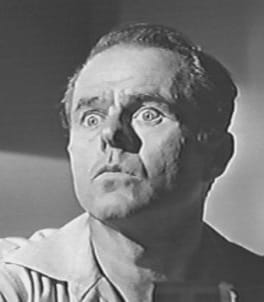
Photo: Unknown author / Public domain (source: Wikimedia Commons)
Elisha Cook Jr. was born in San Francisco, California, United States on December 26, 1903. Elisha Cook Jr. was credited as a character actor, stage actor and television actor. Death is recorded on May 18, 1995, at the age of 91.
My Take
Elisha Cook Jr. is the patron saint of the great character actor, and I have enormous affection for performers like him. His turn as the twitchy, in-over-his-head gunman Wilmer in the 1941 Maltese Falcon is the definitive small man trying to act tough, and it cast him forever as film noir's go-to nervous wreck. What I love is how he weaponized his unthreatening, baby-faced look into something genuinely unsettling. He worked from the 1930s deep into television, never a leading man but utterly indispensable, the texture that made those movies feel real. Careers like his remind me that the supporting players often define a film's atmosphere.
This take was written by generative AI, one per person, from publicly reported facts (editorial policy). It is a reading of the record, not reporting.
1. Profile
- Name (English)
- Elisha Cook Jr.
- Name (Japanese)
- エリシャ・クック・Jr
- Reading
- えりしゃ・くっく・Jr
- Born
- December 26, 1903 – May 18, 1995
- Origin
- San Francisco, California, United States
- Occupation
- actor / character actor / stage actor / television actor / film actor
- Zodiac / Chinese zodiac
- Capricorn / Rabbit
2. Links
3. About this entry
Tags
- Last updated
Facts are limited to publicly available information up to 2024; non-public or unconfirmed items are omitted. English text is machine-assisted (facts translated by Sonnet, "My Take" written by Opus 4.8). The Japanese page is the source of record.
Frequently asked questions
When was Elisha Cook Jr. born?
Born December 26, 1903.
When did Elisha Cook Jr. die?
Died May 18, 1995, aged 91.
Where was Elisha Cook Jr. from?
Elisha Cook Jr. was from San Francisco, California, United States.
What did Elisha Cook Jr. do?
Elisha Cook Jr. worked as actor, character actor, stage actor, television actor, film actor.
Actor — see all → · Character actor — see all → · More people from the United States →