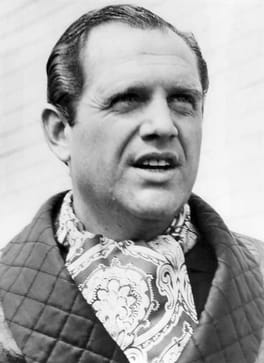
Photo: ABC Television / Public domain (source: Wikimedia Commons)
Alan King was born on December 26, 1927 in Brooklyn, New York, United States. Alan King was a writer, stage actor and film actor. Death is recorded on May 9, 2004, at the age of 76. Education on record includes Boys and Girls High School.
My Take
Alan King is the rare comic I find genuinely fascinating because his anger was a craft, not a flaw. Born Irwin Alan Kniberg in Brooklyn, he built a reputation on sharp, simmering rants that turned everyday frustration into art. But I respect that he refused to be only a punchline machine: he took serious acting roles in film and television, wrote several books, and devoted his later years to philanthropy. That mix of bite and benevolence is what makes him stick with me. Turning irony into a polished art form, as he did until his death in 2004, takes a sophistication few comedians ever reach.
This take was written by generative AI, one per person, from publicly reported facts (editorial policy). It is a reading of the record, not reporting.
1. Profile
- Name (English)
- Alan King
- Name (Japanese)
- アラン・キング
- Reading
- あらん・きんぐ
- Born
- December 26, 1927 – May 9, 2004
- Origin
- Brooklyn, New York, United States
- Occupation
- writer / stage actor / film actor / actor
- Zodiac / Chinese zodiac
- Capricorn / Rabbit
2. Background
- High school
- Boys and Girls High School
3. Links
- Wikipedia (English)https://en.wikipedia.org/wiki/Alan%20King
- Wikipedia (Japanese)https://ja.wikipedia.org/wiki/%E3%82%A2%E3%83%A9%E3%83%B3%E3%83%BB%E3%82%AD%E3%83%B3%E3%82%B0
- Wikidatahttps://www.wikidata.org/wiki/Q643106
4. About this entry
Tags
- Last updated
Facts are limited to publicly available information up to 2024; non-public or unconfirmed items are omitted. English text is machine-assisted (facts translated by Sonnet, "My Take" written by Opus 4.8). The Japanese page is the source of record.
Frequently asked questions
When was Alan King born?
Born December 26, 1927.
When did Alan King die?
Died May 9, 2004, aged 76.
Where was Alan King from?
Alan King was from Brooklyn, New York, United States.
What did Alan King do?
Alan King worked as writer, stage actor, film actor, actor.
Writer — see all → · Stage actor — see all → · More people from the United States →