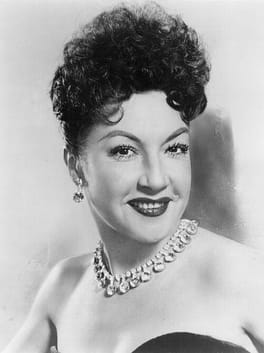
Photo: ABC Television Uploaded by We hope at en.wikipedia / Public domain (source: Wikimedia Commons)
Born on January 16, 1908 in Astoria, New York, United States, Ethel Merman was a singer, writer and television actor. Death is recorded on February 15, 1984, at the age of 76. Ethel Merman was educated at William Cullen Bryant High School. Recorded honors include Tony Award for Best Actress in a Musical (1951), star on Hollywood Walk of Fame, Drama Desk Award for Outstanding Actress in a Musical and 1 more.
My Take
Merman is the rare performer who needs no microphone and no excuse. Calling her the First Lady of musical comedy undersells the sheer architectural power of that voice, which could fill a theater and pin you to your seat. The 1951 Tony, the Walk of Fame star, the parade of hit shows from Girl Crazy onward all point to a force of nature rather than a mere talent. In an age obsessed with vocal polish and studio trickery, I find her unvarnished belt thrilling and a little defiant. She sang as if doubt had never occurred to her, and that conviction is what I keep returning to.
This take was written by generative AI, one per person, from publicly reported facts (editorial policy). It is a reading of the record, not reporting.
1. Profile
- Name (English)
- Ethel Merman
- Name (Japanese)
- エセル・マーマン
- Reading
- えせる・まーまん
- Born
- January 16, 1908 – February 15, 1984
- Origin
- Astoria, New York, United States
- Occupation
- actor / singer / writer / television actor / stage actor
- Zodiac / Chinese zodiac
- Capricorn / Monkey
2. Background
- High school
- William Cullen Bryant High School
Awards & achievements
- 1951 Tony Award for Best Actress in a Musical
- star on Hollywood Walk of Fame
- Drama Desk Award for Outstanding Actress in a Musical
- 1966 Hasty Pudding Woman of the Year
3. Links
- Wikipedia (English)https://en.wikipedia.org/wiki/Ethel%20Merman
- Wikipedia (Japanese)https://ja.wikipedia.org/wiki/%E3%82%A8%E3%82%BB%E3%83%AB%E3%83%BB%E3%83%9E%E3%83%BC%E3%83%9E%E3%83%B3
- Wikidatahttps://www.wikidata.org/wiki/Q129087
4. About this entry
Tags
- Last updated
Facts are limited to publicly available information up to 2024; non-public or unconfirmed items are omitted. English text is machine-assisted (facts translated by Sonnet, "My Take" written by Opus 4.8). The Japanese page is the source of record.
Frequently asked questions
When was Ethel Merman born?
Ethel Merman was born on January 16, 1908.
When did Ethel Merman die?
Ethel Merman died on February 15, 1984, aged 76.
Where was Ethel Merman from?
Ethel Merman was from Astoria, New York, United States.
What did Ethel Merman do?
Ethel Merman worked as actor, singer, writer, television actor, stage actor.
Which high school did Ethel Merman attend?
Ethel Merman attended William Cullen Bryant High School.
Actor — see all → · Singer — see all → · More people from the United States → · More people born on January 16 →