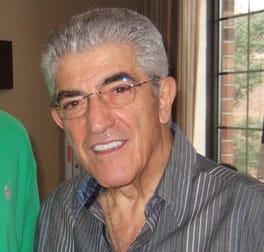
Photo: Rob DiCaterino / CC BY 2.0 (source: Wikimedia Commons)
My Take
Frank Vincent had one of the most recognizable faces in the gangster genre, even if casual viewers never knew his name. His feud with Joe Pesci across 'Raging Bull,' 'Goodfellas' and 'Casino' is basically a running saga of its own, and that 'Goodfellas' shoeshine line he sets up is one of cinema's most quoted moments. Then he capped it off as Phil Leotardo on 'The Sopranos,' bringing a cold, old-school menace that the show desperately needed in its final act. He started as a musician and never lost that performer's timing. A consummate character actor who elevated everything he touched.
This take was written by generative AI, one per person, from publicly reported facts (editorial policy). It is a reading of the record, not reporting.
Overview
Frank Vincent (1937-2017) was an American actor and musician known for portraying tough Italian-American characters in crime dramas. He appeared in several Martin Scorsese films including 'Raging Bull,' 'Goodfellas' and 'Casino,' and is especially remembered as mob boss Phil Leotardo on HBO's 'The Sopranos.' Before acting he worked as a musician, and he later authored a book on etiquette for men.
1. Profile
- Name (English)
- Frank Vincent
- Name (Japanese)
- フランク・ヴィンセント
- Reading
- ふらんく・ゔぃんせんと
- Born
- April 15, 1937 – September 13, 2017
- Origin
- North Adams, Massachusetts, United States
- Height
- 175cm
- Occupation
- Television actor / Actor / Author / Musician / Film actor
- Zodiac / Chinese zodiac
- Aries / Ox
2. Links
- Official sitehttp://www.frankvincent.com
- Wikipedia (English)https://en.wikipedia.org/wiki/Frank%20Vincent
- Wikipedia (Japanese)https://ja.wikipedia.org/wiki/%E3%83%95%E3%83%A9%E3%83%B3%E3%82%AF%E3%83%BB%E3%83%B4%E3%82%A3%E3%83%B3%E3%82%BB%E3%83%B3%E3%83%88
- Wikidatahttps://www.wikidata.org/wiki/Q463407
3. About this entry
Tags
- Last updated
Facts are limited to publicly available information up to 2024; non-public or unconfirmed items are omitted. English text is machine-assisted (facts translated by Sonnet, "My Take" written by Opus 4.8). The Japanese page is the source of record.
Frequently asked questions
When was Frank Vincent born?
Born April 15, 1937.
When did Frank Vincent die?
Died September 13, 2017, aged 80.
Where was Frank Vincent from?
Frank Vincent was from North Adams, Massachusetts, United States.
What did Frank Vincent do?
Frank Vincent worked as Television actor, Actor, Author, Musician, Film actor.
How tall was Frank Vincent?
Frank Vincent was 175 cm.
Television actor — see all → · Actor — see all → · More people from the United States →