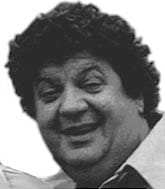
Photo: Nicholas Savalas / CC BY-SA 2.5 (source: Wikimedia Commons)
George Savalas was a television actor and film actor, born on December 5, 1924 in The Bronx, New York, United States. Death is recorded on October 2, 1985, at the age of 60. George Savalas studied at Columbia University.
My Take
George Savalas interests me as a textbook example of the dependable supporting actor. Born in the Bronx, Columbia-educated, he spent years acting alongside his famous brother Telly in Kojak, often overshadowed yet always present. I value performers who fill their roles honestly without demanding the spotlight; ensemble shows live or die on people like him. There is something warm, too, about brothers sharing a set for a hit series. He passed in 1985, but he helped shape the texture of one of the defining crime dramas of its era, and that craftsmanship deserves quiet recognition.
This take was written by generative AI, one per person, from publicly reported facts (editorial policy). It is a reading of the record, not reporting.
1. Profile
- Name (English)
- George Savalas
- Name (Japanese)
- ジョージ・サバラス
- Reading
- じょーじ・さばらす
- Born
- December 5, 1924 – October 2, 1985
- Origin
- The Bronx, New York, United States
- Occupation
- television actor / film actor / actor
- Zodiac / Chinese zodiac
- Sagittarius / Rat
2. Background
- University
- Columbia University
3. Links
- Wikipedia (English)https://en.wikipedia.org/wiki/George%20Savalas
- Wikidatahttps://www.wikidata.org/wiki/Q898553
4. About this entry
Tags
- Last updated
Facts are limited to publicly available information up to 2024; non-public or unconfirmed items are omitted. English text is machine-assisted (facts translated by Sonnet, "My Take" written by Opus 4.8). The Japanese page is the source of record.
Frequently asked questions
When was George Savalas born?
George Savalas was born on December 5, 1924.
When did George Savalas die?
George Savalas died on October 2, 1985, aged 60.
Where was George Savalas from?
George Savalas was from The Bronx, New York, United States.
What did George Savalas do?
George Savalas worked as television actor, film actor, actor.
Where did George Savalas study?
George Savalas attended Columbia University.
Television actor — see all → · Film actor — see all → · More people from the United States → · More people born on December 5 →