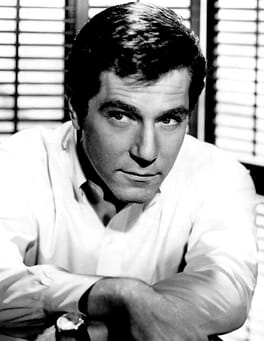
Photo: Press photo / Public domain (source: Wikimedia Commons)
George Segal was born in New York City, New York, United States on February 13, 1934. George Segal was listed as a banjoist, stage actor and television actor. Death is recorded on March 23, 2021, at the age of 87. Schooling on record includes Columbia University. Recorded honors include star on Hollywood Walk of Fame, Golden Globe Award for Best Actor – Motion Picture Musical or Comedy (1974), Praemium Imperiale (1997) and 1 more.
My Take
Segal is one of those actors I treasure for his effortless lightness. A Columbia-educated New Yorker, he could hold his own in heavy drama like Who's Afraid of Virginia Woolf?, yet his real gift was comedy, where he won a 1974 Golden Globe and made everything look unforced. I love that he was also a serious banjo player, a detail that captures his evident joy in life. He earned a Hollywood Walk of Fame star and even a Praemium Imperiale, then stayed beloved on television into his final years. Unpretentious and endlessly skilled, he is exactly the kind of performer I root for.
This take was written by generative AI, one per person, from publicly reported facts (editorial policy). It is a reading of the record, not reporting.
1. Profile
- Name (English)
- George Segal
- Name (Japanese)
- ジョージ・シーガル
- Reading
- じょーじ・しーがる
- Born
- February 13, 1934 – March 23, 2021
- Origin
- New York City, New York, United States
- Occupation
- banjoist / stage actor / television actor / film actor / voice actor
- Zodiac / Chinese zodiac
- Aquarius / Dog
2. Background
- University
- Columbia University
Awards & achievements
- star on Hollywood Walk of Fame
- 1974 Golden Globe Award for Best Actor – Motion Picture Musical or Comedy
- 1997 Praemium Imperiale
- John Jay Award
3. Links
4. About this entry
Tags
- Last updated
Facts are limited to publicly available information up to 2024; non-public or unconfirmed items are omitted. English text is machine-assisted (facts translated by Sonnet, "My Take" written by Opus 4.8). The Japanese page is the source of record.
Frequently asked questions
When was George Segal born?
Born February 13, 1934.
When did George Segal die?
Died March 23, 2021, aged 87.
Where was George Segal from?
George Segal was from New York City, New York, United States.
What did George Segal do?
George Segal worked as banjoist, stage actor, television actor, film actor, voice actor.
Banjoist — see all → · Stage actor — see all → · More people from the United States →