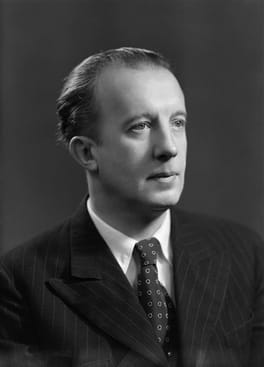
Photo: Studio Harcourt / Public domain (source: Wikimedia Commons)
Henri Claisse was credited as a writer, politician and poet. Henri Claisse was born on December 14, 1895 in Saint-Denis, Seine-Saint-Denis, France. Death is recorded on November 18, 1952, at the age of 56. Notable works include Liberté, j'écris ton nom.
My Take
Éluard is, for me, proof that words can outlive bullets. He helped found Surrealism, reinvented even his own name after the trauma of the First World War, and then turned his pen into a weapon for the Resistance. That single poem, Liberté, with its hammering repetition of the word liberty, did more for occupied morale than many a rifle. I admire that a working-class boy from Saint-Denis could shape the inner lives of an entire generation through rhythm and longing. He died in 1952, yet nothing about his cadence feels dated. This is what a real poet looks like to me.
1. Profile
- Name (English)
- Henri Claisse
- Name (Japanese)
- ポール・エリュアール
- Reading
- ぽーる・えりゅあーる
- Born
- December 14, 1895 – November 18, 1952
- Zodiac / Chinese zodiac
- Sagittarius / Goat
- Origin
- Saint-Denis, Seine-Saint-Denis, France
- Occupation
- writer / politician / poet / French resistance fighter / artist
2. Works & records
| Category | Title | Role | Year |
|---|---|---|---|
| Notable work | Liberté, j'écris ton nom | — |
3. Links
- Official sitehttps://eluard.org
- Wikipedia (English)https://en.wikipedia.org/wiki/Paul%20%C3%89luard
- Wikipedia (Japanese)https://ja.wikipedia.org/wiki/%E3%83%9D%E3%83%BC%E3%83%AB%E3%83%BB%E3%82%A8%E3%83%AA%E3%83%A5%E3%82%A2%E3%83%BC%E3%83%AB
- Wikidatahttps://www.wikidata.org/wiki/Q152176
4. About this entry
Tags
- Last updated
- 2026-06-21
Facts are limited to publicly available information up to 2024; non-public or unconfirmed items are omitted. English text is machine-assisted (facts translated by Sonnet, "My Take" written by Opus 4.8). The Japanese page is the source of record.
Frequently asked questions
When was Henri Claisse born?
Born December 14, 1895.
When did Henri Claisse die?
Died November 18, 1952, aged 56.
Where was Henri Claisse from?
Henri Claisse was from Saint-Denis, Seine-Saint-Denis, France.
What did Henri Claisse do?
Henri Claisse worked as writer, politician, poet, French resistance fighter, artist.
What was Henri Claisse known for?
Notable works include Liberté, j'écris ton nom.
Writer — see all → · Politician — see all → · More people from France →