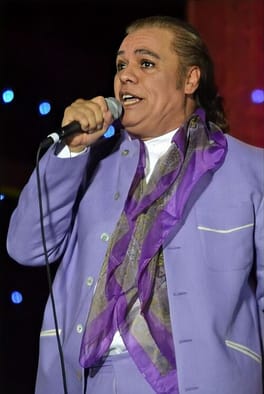
Photo: Viva Iquique weblog / www.vivaiquique.com / CC BY 2.0 (source: Wikimedia Commons)
Juan Gabriel was born in Parácuaro, Michoacán, Mexico on January 7, 1950. Public records list Juan Gabriel as a singer, songwriter and DJ producer. Death is recorded on August 28, 2016, at the age of 66. Recorded honors include Latin Grammy Award for Album of the Year (2016), Latin Recording Academy Person of the Year (2009), Billboard Latin Music Hall of Fame (1996) and 5 more.
My Take
Juan Gabriel is one of those rare artists whose legacy feels less like a discography and more like a national heartbeat. What I admire most is his nerve: at a time when Latin music prized polish and propriety, he broke every unwritten rule with flamboyant style and raw emotional honesty, daring audiences to follow him. The honors pile up, Hollywood star, Latin Recording Academy Person of the Year, and a posthumous Album of the Year, but they only ratify what the public already knew. That he won a Latin Grammy after his 2016 death tells you everything. Few songwriters become this fully, permanently beloved.
This take was written by generative AI, one per person, from publicly reported facts (editorial policy). It is a reading of the record, not reporting.
1. Profile
- Name (English)
- Juan Gabriel
- Name (Japanese)
- フアン・ガブリエル
- Reading
- ふあん・がぶりえる
- Born
- January 7, 1950 – August 28, 2016
- Origin
- Parácuaro, Michoacán, Mexico
- Occupation
- singer / songwriter / DJ producer / composer / recording artist
- Zodiac / Chinese zodiac
- Capricorn / Tiger
2. Background
Awards & achievements
- 2016 Latin Grammy Award for Album of the Year
- 2009 Latin Recording Academy Person of the Year
- 1996 Billboard Latin Music Hall of Fame
- 1991 Lo Nuestro Excellence Award
- 2016 Latin Songwriters Hall of Fame
- 2003 International Latin Music Hall of Fame
- 2016 Latin Grammy Award for Best Traditional Pop Vocal Album
- star on Hollywood Walk of Fame
3. Links
- Official sitehttps://juangabriel.com/
- Xhttps://x.com/soyjuangabriel
- Wikipedia (English)https://en.wikipedia.org/wiki/Juan%20Gabriel
- Wikidatahttps://www.wikidata.org/wiki/Q738404
4. About this entry
Tags
- Last updated
Facts are limited to publicly available information up to 2024; non-public or unconfirmed items are omitted. English text is machine-assisted (facts translated by Sonnet, "My Take" written by Opus 4.8). The Japanese page is the source of record.
Frequently asked questions
When was Juan Gabriel born?
Born January 7, 1950.
When did Juan Gabriel die?
Died August 28, 2016, aged 66.
Where was Juan Gabriel from?
Juan Gabriel was from Parácuaro, Michoacán, Mexico.
What did Juan Gabriel do?
Juan Gabriel worked as singer, songwriter, DJ producer, composer, recording artist.
Singer — see all → · Songwriter — see all → · More people from Mexico →