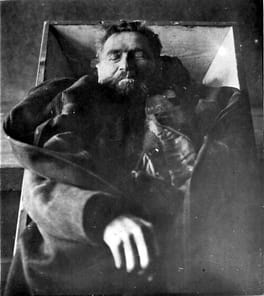
Photo: The original uploader was DanielMrakic at German Wikipedia. / Public domain (source: Wikimedia Commons)
Karl Denke was an organist and serial killer. Born on February 11, 1860, Karl Denke was from Kalinowice Górne, Lower Silesian Voivodeship, Poland. Death is recorded on December 22, 1924, at the age of 64.
My Take
Karl Denke is a name I cannot approach without a chill. Outwardly a devout church organist trusted by his neighbours in rural Lower Silesia, he was in fact a serial killer and cannibal whose crimes spanned two decades. I have no interest in romanticising him; the victims deserve far better than morbid fascination. What his case forces me to sit with is the cold lesson that a respectable mask can conceal anything, and that ordinariness itself can be the most frightening disguise. I treat his entry not as celebrity but as a sober record of how thoroughly human darkness can hide in plain sight.
This take was written by generative AI, one per person, from publicly reported facts (editorial policy). It is a reading of the record, not reporting.
1. Profile
- Name (English)
- Karl Denke
- Name (Japanese)
- カール・デンケ
- Reading
- かーる・でんけ
- Born
- February 11, 1860 – December 22, 1924
- Origin
- Kalinowice Górne, Lower Silesian Voivodeship, Poland
- Occupation
- organist / serial killer
- Zodiac / Chinese zodiac
- Aquarius / Monkey
2. Links
- Wikipedia (English)https://en.wikipedia.org/wiki/Karl%20Denke
- Wikipedia (Japanese)https://ja.wikipedia.org/wiki/%E3%82%AB%E3%83%BC%E3%83%AB%E3%83%BB%E3%83%87%E3%83%B3%E3%82%B1
- Wikidatahttps://www.wikidata.org/wiki/Q62801
3. About this entry
Tags
- Last updated
Facts are limited to publicly available information up to 2024; non-public or unconfirmed items are omitted. English text is machine-assisted (facts translated by Sonnet, "My Take" written by Opus 4.8). The Japanese page is the source of record.
Frequently asked questions
When was Karl Denke born?
Karl Denke was born on February 11, 1860.
When did Karl Denke die?
Karl Denke died on December 22, 1924, aged 64.
Where was Karl Denke from?
Karl Denke was from Kalinowice Górne, Lower Silesian Voivodeship, Poland.
What did Karl Denke do?
Karl Denke worked as organist, serial killer.
Organist — see all → · Serial killer — see all → · More people from Poland → · More people born on February 11 →