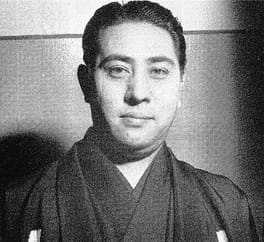
Photo: (未知) / Public domain (source: Wikimedia Commons)
My Take
Kineya Katsutoji is the kind of name that casual listeners glide right past, which is exactly what he would have been too dignified to complain about. Born in Tokyo's Shintomi district in 1909 — deep in old Edo theater country — and carrying the Kineya name, one of the great nagauta shamisen lineages tied to kabuki for centuries, he was plugged into a living tradition long before most people alive today were born. That alone is staggering. Shamisen players in this lineage don't just perform; they hold together the sound world that kabuki runs on, and doing that across most of the twentieth century, from prewar Tokyo through reconstruction and the economic miracle and everything after, is a quiet kind of endurance that deserves real respect. I wish we had more detail on his specific work, but honestly the Kineya school speaks for itself. The silence in this data profile only makes the craft feel more serious.
This take was written by generative AI, one per person, from publicly reported facts (editorial policy). It is a reading of the record, not reporting.
Overview
Kineya Katsutōji was a Japanese shamisen player born on October 16, 1909, in Shintomi, Tokyo. He passed away on February 23, 1996. He is associated with the traditional Japanese music world under the Kineya school of shamisen performance.
1. Profile
- Name (English)
- Kineya Katsutōji
- Name (Japanese)
- 杵屋勝東治
- Reading
- きねや かつとうじ
- Born
- October 16, 1909 – February 23, 1996
- Origin
- Shintomi, Tokyo, Japan
- Occupation
- Shamisen player
- Zodiac / Chinese zodiac
- Libra / Rooster
2. Links
3. About this entry
Tags
- Last updated
Facts are limited to publicly available information up to 2024; non-public or unconfirmed items are omitted. English text is machine-assisted (facts translated by Sonnet, "My Take" written by Opus 4.8). The Japanese page is the source of record.
Frequently asked questions
When was Kineya Katsutōji born?
Born October 16, 1909.
When did Kineya Katsutōji die?
Died February 23, 1996, aged 86.
Where was Kineya Katsutōji from?
Kineya Katsutōji was from Shintomi, Tokyo, Japan.
What did Kineya Katsutōji do?
Kineya Katsutōji worked as Shamisen player.