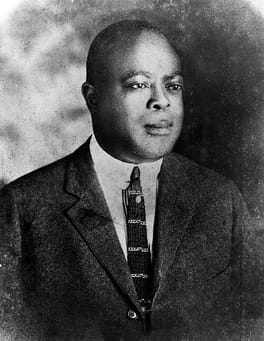
Photo: Photographer unknown. / Public domain (source: Wikimedia Commons)
King Oliver was a composer, conductor and trumpeter. King Oliver was born in New Orleans, Louisiana, United States on December 19, 1881. Death is recorded on April 10, 1938, at the age of 56.
My Take
King Oliver fascinates me precisely because history almost let his student eclipse him. Yes, he mentored Louis Armstrong, but Oliver was a pioneer in his own right, a New Orleans cornetist whose inventive use of mutes reshaped the texture of early jazz. Tunes like Dippermouth Blues and Canal Street Blues still circulate among players nearly a century after his death, which to me is the truest measure of a composer. In an art form defined by constant reinvention, leaving melodies that outlive you by generations is rare. I would always rather celebrate the architect of a sound than its most famous beneficiary.
This take was written by generative AI, one per person, from publicly reported facts (editorial policy). It is a reading of the record, not reporting.
1. Profile
- Name (English)
- King Oliver
- Name (Japanese)
- キング・オリヴァー
- Reading
- きんぐ・おりゔぁー
- Born
- December 19, 1881 – April 10, 1938
- Origin
- New Orleans, Louisiana, United States
- Occupation
- composer / conductor / trumpeter / bandleader / songwriter
- Zodiac / Chinese zodiac
- Sagittarius / Snake
2. Links
3. About this entry
Tags
- Last updated
Facts are limited to publicly available information up to 2024; non-public or unconfirmed items are omitted. English text is machine-assisted (facts translated by Sonnet, "My Take" written by Opus 4.8). The Japanese page is the source of record.
Frequently asked questions
When was King Oliver born?
King Oliver was born on December 19, 1881.
When did King Oliver die?
King Oliver died on April 10, 1938, aged 56.
Where was King Oliver from?
King Oliver was from New Orleans, Louisiana, United States.
What did King Oliver do?
King Oliver worked as composer, conductor, trumpeter, bandleader, songwriter.
Composer — see all → · Conductor — see all → · More people from the United States → · More people born on December 19 →