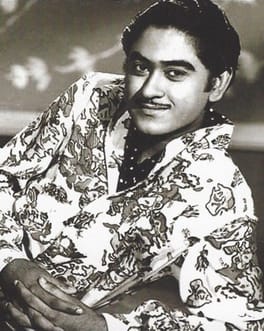
Photo: India Post, Government of India / GODL-India (source: Wikimedia Commons)
Born on August 4, 1929 in Khandwa, Khandwa district, India, Kishore Kumar was a singer, composer and film director. Death is recorded on October 13, 1987, at the age of 58. Listed accolades include Filmfare Award for Best Male Playback Singer.
My Take
Kishore Kumar strikes me as the rarest kind of genius: the untrained one who outsings everybody. He could yodel, switch voices mid-song, and carry the emotional weight of Indian cinema's golden era on his vocal cords alone. What I love most is the playfulness — you can hear a man having fun in every recording, and that joy is why his songs outlive trends. Add directing, composing, and producing to the resume and you get an artist who refused to stay in one box. Nearly four decades after his death, he remains the default voice of Bollywood nostalgia, and deservedly so.
This take was written by generative AI, one per person, from publicly reported facts (editorial policy). It is a reading of the record, not reporting.
1. Profile
- Name (English)
- Kishore Kumar
- Name (Japanese)
- キショール・クマール
- Reading
- きしょーる・くまーる
- Born
- August 4, 1929 – October 13, 1987
- Origin
- Khandwa, Khandwa district, India
- Occupation
- singer / composer / film director / musician / film producer
- Zodiac / Chinese zodiac
- Leo / Snake
2. Background
Awards & achievements
- Filmfare Award for Best Male Playback Singer
3. Links
4. About this entry
Tags
- Last updated
Facts are limited to publicly available information up to 2024; non-public or unconfirmed items are omitted. English text is machine-assisted (facts translated by Sonnet, "My Take" written by Opus 4.8). The Japanese page is the source of record.
Frequently asked questions
When was Kishore Kumar born?
Born August 4, 1929.
When did Kishore Kumar die?
Died October 13, 1987, aged 58.
Where was Kishore Kumar from?
Kishore Kumar was from Khandwa, Khandwa district, India.
What did Kishore Kumar do?
Kishore Kumar worked as singer, composer, film director, musician, film producer.
Singer — see all → · Composer — see all → · More people from India →