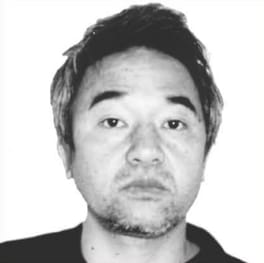
Photo: 警察庁 / CC BY 4.0 (source: Wikimedia Commons)
My Take
I'll be honest, this is one entry where I can't slip into my usual breezy, fun voice. Kōzō Okamoto was born in 1947 in Ashikita, Kumamoto, came up through a local high school and Kagoshima University, and was recruited through his brother before he walked into political violence. But what he's known for isn't something I get to riff on lightly, it's the 1972 Lod Airport massacre, in which 26 people were killed, and those people deserve to be remembered first. So I won't play the gossip game here, and I'm not going to hand him sympathy or some misguided heroism either. Mostly I just sit with the hard, sobering question his life keeps asking: how does a person end up that far off the path? That's where I land, plainly.
This take was written by generative AI, one per person, from publicly reported facts (editorial policy). It is a reading of the record, not reporting.
Overview
Kozo Okamoto was born on December 7, 1947, in Ashikita, Kumamoto Prefecture, Japan. He attended Kumamoto Marist Gakuen High School before enrolling at Kagoshima University. As a member of the Red Army Faction, the precursor of the Japanese Red Army, he was the sole surviving gunman of the 1972 Lod Airport massacre in Israel, which killed 26 people; sentenced to three life terms, he was freed in a 1985 prisoner exchange, granted asylum in Lebanon, and died in Beirut in 2026.
1. Profile
- Name (English)
- Kozo Okamoto
- Name (Japanese)
- 岡本公三
- Reading
- おかもと こうぞう
- Born
- December 7, 1947 – July 23, 2026
- Origin
- Ashikita, Kumamoto Prefecture, Japan
- Occupation
- Political activist / Fedayeen
- Zodiac / Chinese zodiac
- Sagittarius / Boar
2. Background
- High school
- Kumamoto Marist Gakuen High School
- University
- Kagoshima University
3. Links
- Wikipedia (Japanese)https://ja.wikipedia.org/wiki/%E5%B2%A1%E6%9C%AC%E5%85%AC%E4%B8%89
- Wikidatahttps://www.wikidata.org/wiki/Q218862
4. About this entry
Tags
- Last updated
Only publicly available facts are listed; non-public or unconfirmed items are omitted. Base data was compiled from Wikidata from June 2026 onward; ages are recalculated daily and deaths are checked against Wikidata on an ongoing basis. English text is machine-assisted (facts translated by Sonnet, "My Take" written by Opus 4.8). The Japanese page is the source of record.
Frequently asked questions
When was Kozo Okamoto born?
Kozo Okamoto was born on December 7, 1947.
When did Kozo Okamoto die?
Kozo Okamoto died on July 23, 2026, aged 78.
Where was Kozo Okamoto from?
Kozo Okamoto was from Ashikita, Kumamoto Prefecture, Japan.
What did Kozo Okamoto do?
Kozo Okamoto worked as Political activist, Fedayeen.
Where did Kozo Okamoto study?
Kozo Okamoto attended Kagoshima University.
Political activist — see all → · More people from Japan → · More people born on December 7 →