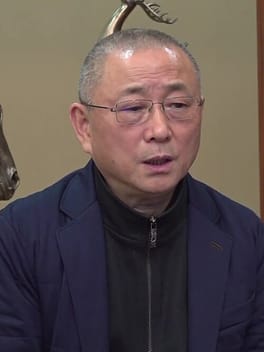
Photo: 中国新闻网 / CC BY 3.0 (source: Wikimedia Commons)
Liu Xinglong is credited as a novelist. Liu Xinglong was born on January 10, 1956 in Huanggang, People's Republic of China. That works out to 70 years old in 2026. Awards on record include Lu Xun Literary Prize for Excellent Novellas (1998).
My Take
Liu Xinglong deserves more attention from readers outside China. Born in 1956 in Huanggang, Hubei, he won the Lu Xun Literary Prize for novellas in 1998, a serious marker of craft in Chinese letters. As vice president of both the Hubei Writers Association and Wuhan's literary federation, he sits at the center of a regional literary life, mentoring and shaping as much as writing. I'm drawn to authors rooted in a specific place rather than chasing trends; the texture of land and ordinary people tends to seep into their work. He strikes me as exactly that kind of grounded storyteller, and I'd happily read him in translation.
This take was written by generative AI, one per person, from publicly reported facts (editorial policy). It is a reading of the record, not reporting.
1. Profile
- Name (English)
- Liu Xinglong
- Name (Japanese)
- 劉醒龍
- Reading
- りゅう・せいりゅう
- Born
- January 10, 1956 (age 70)
- Origin
- Huanggang, People's Republic of China
- Occupation
- novelist
- Zodiac / Chinese zodiac
- Capricorn / Monkey
2. Background
Awards & achievements
- 1998 Lu Xun Literary Prize for Excellent Novellas
3. Links
- Wikipedia (English)https://en.wikipedia.org/wiki/Liu%20Xinglong
- Wikipedia (Japanese)https://ja.wikipedia.org/wiki/%E5%8A%89%E9%86%92%E9%BE%8D
- Wikidatahttps://www.wikidata.org/wiki/Q10898014
4. About this entry
Tags
- Last updated
Facts are limited to publicly available information up to 2024; non-public or unconfirmed items are omitted. English text is machine-assisted (facts translated by Sonnet, "My Take" written by Opus 4.8). The Japanese page is the source of record.
Frequently asked questions
When was Liu Xinglong born?
Liu Xinglong was born on January 10, 1956 and is 70 years old.
Where is Liu Xinglong from?
Liu Xinglong is from Huanggang, People's Republic of China.
What does Liu Xinglong do?
Liu Xinglong works as novelist.
Novelist — see all → · More people from the People's Republic of China → · More people born on January 10 →