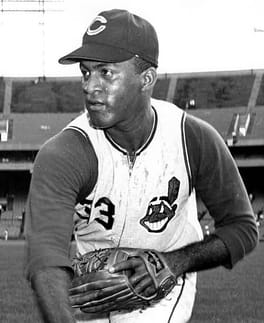
Photo: Unknown author / Public domain (source: Wikimedia Commons)
Luis Tiant was born on November 23, 1940 in Marianao, Havana Province, Cuba. Luis Tiant was a baseball player. Death is recorded on October 8, 2024, at the age of 83. Awards on record include Boston Red Sox Hall of Fame.
My Take
Luis Tiant is one of those names that anyone who knows Boston baseball says with real affection. Nineteen seasons in the majors, mostly with Cleveland and the Red Sox, and that famous corkscrew windup where he'd turn his back to the hitter mid-delivery. "El Tiante" wasn't just a great pitcher; he was a personality, and the Red Sox Hall of Fame honor feels earned. What gets me is the Cuban backbone of his story, leaving Havana and building a long career far from home. He passed in October 2024, and I suspect Fenway felt that loss more than most realize.
This take was written by generative AI, one per person, from publicly reported facts (editorial policy). It is a reading of the record, not reporting.
1. Profile
- Name (English)
- Luis Tiant
- Name (Japanese)
- ルイス・ティアント
- Reading
- るいす・てぃあんと
- Born
- November 23, 1940 – October 8, 2024
- Origin
- Marianao, Havana Province, Cuba
- Occupation
- baseball player
- Zodiac / Chinese zodiac
- Sagittarius / Dragon
2. Background
Awards & achievements
- Boston Red Sox Hall of Fame
3. Links
4. About this entry
Tags
- Last updated
Facts are limited to publicly available information up to 2024; non-public or unconfirmed items are omitted. English text is machine-assisted (facts translated by Sonnet, "My Take" written by Opus 4.8). The Japanese page is the source of record.
Frequently asked questions
When was Luis Tiant born?
Born November 23, 1940.
When did Luis Tiant die?
Died October 8, 2024, aged 83.
Where was Luis Tiant from?
Luis Tiant was from Marianao, Havana Province, Cuba.
What did Luis Tiant do?
Luis Tiant worked as baseball player.