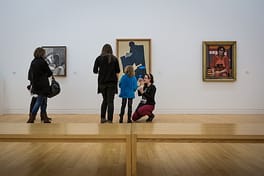
Photo: Photo Claude TRUONG-NGOC / CC BY-SA 3.0 (source: Wikimedia Commons)
Marie-Thérèse Walter was born on July 13, 1909 in Le Perreux-sur-Marne, Val-de-Marne, France. Marie-Thérèse Walter was credited as a choreographer, painter and model. Death is recorded on October 19, 1977, at the age of 68.
My Take
Marie-Thérèse Walter occupies an uneasy place in art history that I can't ignore. Remembered as Picasso's golden muse, she inspired some of his most luminous paintings and sculptures, yet the relationship began when she was just 17 and he was 45 and married. I think it's important to hold both truths at once: her genuine influence on monumental art, and the troubling power imbalance behind it. She was also a painter and model in her own right, which I find easy to forget when she's reduced to a muse. To me she deserves to be seen as a person, not only a subject.
This take was written by generative AI, one per person, from publicly reported facts (editorial policy). It is a reading of the record, not reporting.
1. Profile
- Name (English)
- Marie-Thérèse Walter
- Name (Japanese)
- マリー=テレーズ・ワルテル
- Reading
- まりー=てれーず・わるてる
- Born
- July 13, 1909 – October 19, 1977
- Origin
- Le Perreux-sur-Marne, Val-de-Marne, France
- Occupation
- choreographer / painter / model
- Zodiac / Chinese zodiac
- Cancer / Rooster
2. Links
3. About this entry
Tags
- Last updated
Facts are limited to publicly available information up to 2024; non-public or unconfirmed items are omitted. English text is machine-assisted (facts translated by Sonnet, "My Take" written by Opus 4.8). The Japanese page is the source of record.
Frequently asked questions
When was Marie-Thérèse Walter born?
Born July 13, 1909.
When did Marie-Thérèse Walter die?
Died October 19, 1977, aged 68.
Where was Marie-Thérèse Walter from?
Marie-Thérèse Walter was from Le Perreux-sur-Marne, Val-de-Marne, France.
What did Marie-Thérèse Walter do?
Marie-Thérèse Walter worked as choreographer, painter, model.
Choreographer — see all → · Painter — see all → · More people from France →