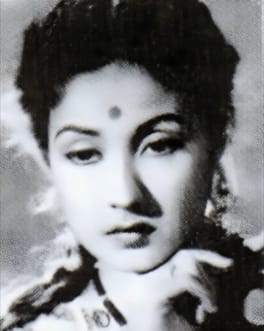
Photo: Ministry of Communications / GODL-India (source: Wikimedia Commons)
Meena Kumari was listed as an actor, poet and costume designer. Meena Kumari was born on August 1, 1933 in Dadar, Bombay State, India. Death is recorded on March 31, 1972, at the age of 38. Awards on record include Filmfare Award for Best Actress (1954) and Bengal Film Journalists' Association Awards (1958).
My Take
Meena Kumari moves me more than almost any classic star. Crowned the Tragedy Queen, she carried sorrow on screen with a depth few have matched, across more than ninety films and four Filmfare Best Actress wins. What deepens my admiration is that she was also a poet, a singer, and a costume designer, an artist who poured herself into every dimension of cinema. She died at just thirty-eight, and knowing her own life echoed the heartbreak she portrayed makes her performances ache all the more. More than fifty years on, India still remembers her, and that endurance is the truest mark of greatness.
This take was written by generative AI, one per person, from publicly reported facts (editorial policy). It is a reading of the record, not reporting.
1. Profile
- Name (English)
- Meena Kumari
- Name (Japanese)
- ミーナ・クマリ
- Reading
- みーな・くまり
- Born
- August 1, 1933 – March 31, 1972
- Origin
- Dadar, Bombay State, India
- Occupation
- actor / poet / costume designer / singer
- Zodiac / Chinese zodiac
- Leo / Rooster
2. Background
Awards & achievements
- 1954 Filmfare Award for Best Actress
- 1958 Bengal Film Journalists' Association Awards
3. Links
4. About this entry
Tags
- Last updated
Facts are limited to publicly available information up to 2024; non-public or unconfirmed items are omitted. English text is machine-assisted (facts translated by Sonnet, "My Take" written by Opus 4.8). The Japanese page is the source of record.
Frequently asked questions
When was Meena Kumari born?
Born August 1, 1933.
When did Meena Kumari die?
Died March 31, 1972, aged 38.
Where was Meena Kumari from?
Meena Kumari was from Dadar, Bombay State, India.
What did Meena Kumari do?
Meena Kumari worked as actor, poet, costume designer, singer.
Actor — see all → · Poet — see all → · More people from India →