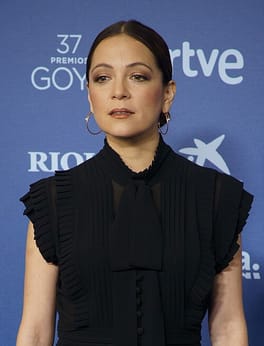
Photo: Pedro J Pacheco / CC BY-SA 4.0 (source: Wikimedia Commons)
Natalia Lafourcade is a singer-songwriter, musician and actor, born on February 26, 1984 in Coatepec, Veracruz, Mexico. That puts Natalia Lafourcade at 42 years old in 2026. Recorded honors include Latin Grammy Award for Song of the Year (2015), Latin Grammy Award for Best Alternative Music Album (2013, 2015), Latin Grammy Award for Best Alternative Song (2015, 2020) and 3 more.
My Take
Natalia Lafourcade is one of those artists who makes me wish my Spanish were better, because her voice carries so much even before you parse a single lyric. That distinctive lyric soprano, paired with the way she folds folk and jazz into pop, is why people call her one of the most important Latin artists of this century, and I don't think that's hype. Her shelf of Latin Grammys, including Song of the Year and Album of the Year, tells you the industry agrees. What I admire most is her turn toward Mexican roots music; choosing tradition over chasing trends takes real conviction, and it clearly paid off.
This take was written by generative AI, one per person, from publicly reported facts (editorial policy). It is a reading of the record, not reporting.
1. Profile
- Name (English)
- Natalia Lafourcade
- Name (Japanese)
- ナタリア・ラフォルカデ
- Reading
- なたりあ・らふぉるかで
- Born
- February 26, 1984 (age 42)
- Origin
- Coatepec, Veracruz, Mexico
- Occupation
- singer-songwriter / musician / actor / composer / singer
- Zodiac / Chinese zodiac
- Pisces / Rat
2. Background
Awards & achievements
- 2015 Latin Grammy Award for Song of the Year
- 2015 Latin Grammy Award for Best Alternative Music Album
- 2015 Latin Grammy Award for Best Alternative Song
- 2015 Latin Grammy Award for Best Engineered Album
- 2013 Latin Grammy Award for Best Alternative Music Album
- 2020 Latin Grammy Award for Album of the Year
- 2020 Latin Grammy Award for Best Alternative Song
- 2020 Latin Grammy Award for Best Regional Mexican Song
3. Links
- Official sitehttps://natalialafourcade.mx
- Instagramhttps://www.instagram.com/natalialafourcade/
- Xhttps://x.com/lafourcade
- Wikipedia (English)https://en.wikipedia.org/wiki/Natalia%20Lafourcade
- Wikipedia (Japanese)https://ja.wikipedia.org/wiki/%E3%83%8A%E3%82%BF%E3%83%AA%E3%82%A2%E3%83%BB%E3%83%A9%E3%83%95%E3%82%A9%E3%83%AB%E3%82%AB%E3%83%87
- Wikidatahttps://www.wikidata.org/wiki/Q3298047
4. About this entry
Tags
- Last updated
Facts are limited to publicly available information up to 2024; non-public or unconfirmed items are omitted. English text is machine-assisted (facts translated by Sonnet, "My Take" written by Opus 4.8). The Japanese page is the source of record.
Frequently asked questions
When was Natalia Lafourcade born?
Born February 26, 1984 (age 42).
Where is Natalia Lafourcade from?
Natalia Lafourcade is from Coatepec, Veracruz, Mexico.
What does Natalia Lafourcade do?
Natalia Lafourcade works as singer-songwriter, musician, actor, composer, singer.
Singer-songwriter — see all → · Musician — see all → · More people from Mexico →